How the Numbers Move
The Breeds That Don't Appear in the Count
The most popular dogs in Britain and America may not appear in any official registry at all.
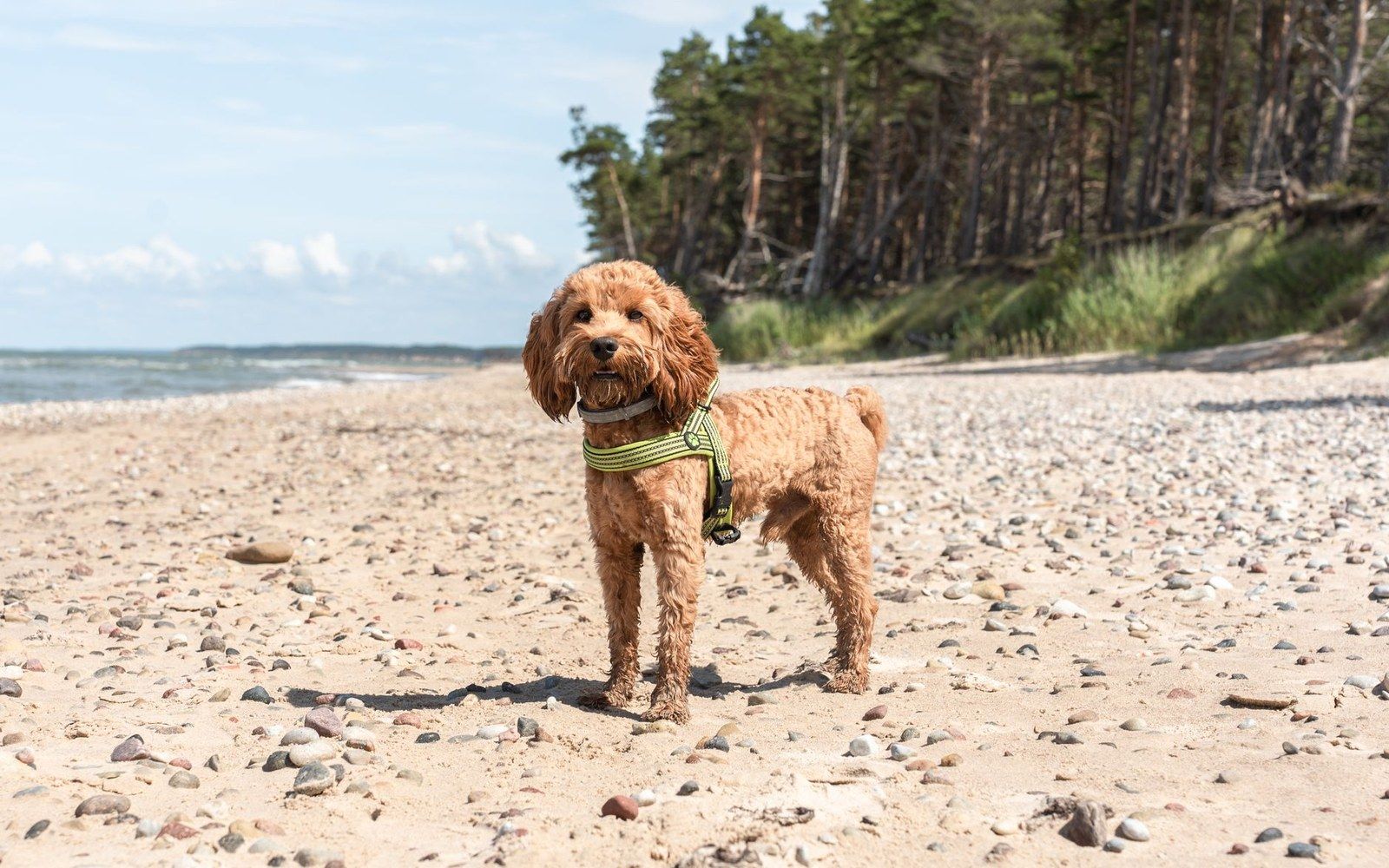
Cockerpoos, labradoodles and goldendoodles as a category that sits entirely outside the KC and AKC registration systems — the scale of the crossbreed market estimated from named charity intake data and licensed-breeder figures, and the argument for a separate registry.
Photo: Anastasiya Badun / PexelsA Market the Figures Cannot See
When the Kennel Club publishes its annual registration totals, or the American Kennel Club releases its ranked breed list, the numbers carry an implicit claim: this is what the dog market looks like. It is not. The fastest-growing segment of the domestic dog trade — cockerpoos, labradoodles, goldendoodles and their variants, collectively known as doodle crossbreeds — sits entirely outside both registry systems, generating no studbook entries, no pedigree certificates and no breed-level health data that either organisation can capture.
The scale of the gap is difficult to quantify precisely, because the absence of a registry is exactly the problem. But proxy figures are instructive. Dogs Trust's annual intake data has recorded a rising share of crossbreed and mixed-breed dogs in its rehoming centres across multiple years, with "poodle cross" types appearing with increasing frequency. The RSPCA, reporting separately, noted similar trends in the years following the 2020–21 pandemic puppy price spike, when demand for doodles drove some of the sharpest price movements observed in the sector. Licensed-breeder registrations under the Animal Welfare (Licensing of Activities Involving Animals) Regulations 2018 provide a further indicator: local authority licence databases, where they are published, show that a substantial proportion of licensed litters are crossbreeds, many of them poodle crosses, yet none of these litters creates a record in the Kennel Club or AKC systems.
First in the AKC count for 2022.
Photo: Sóc Năng Động / Pexels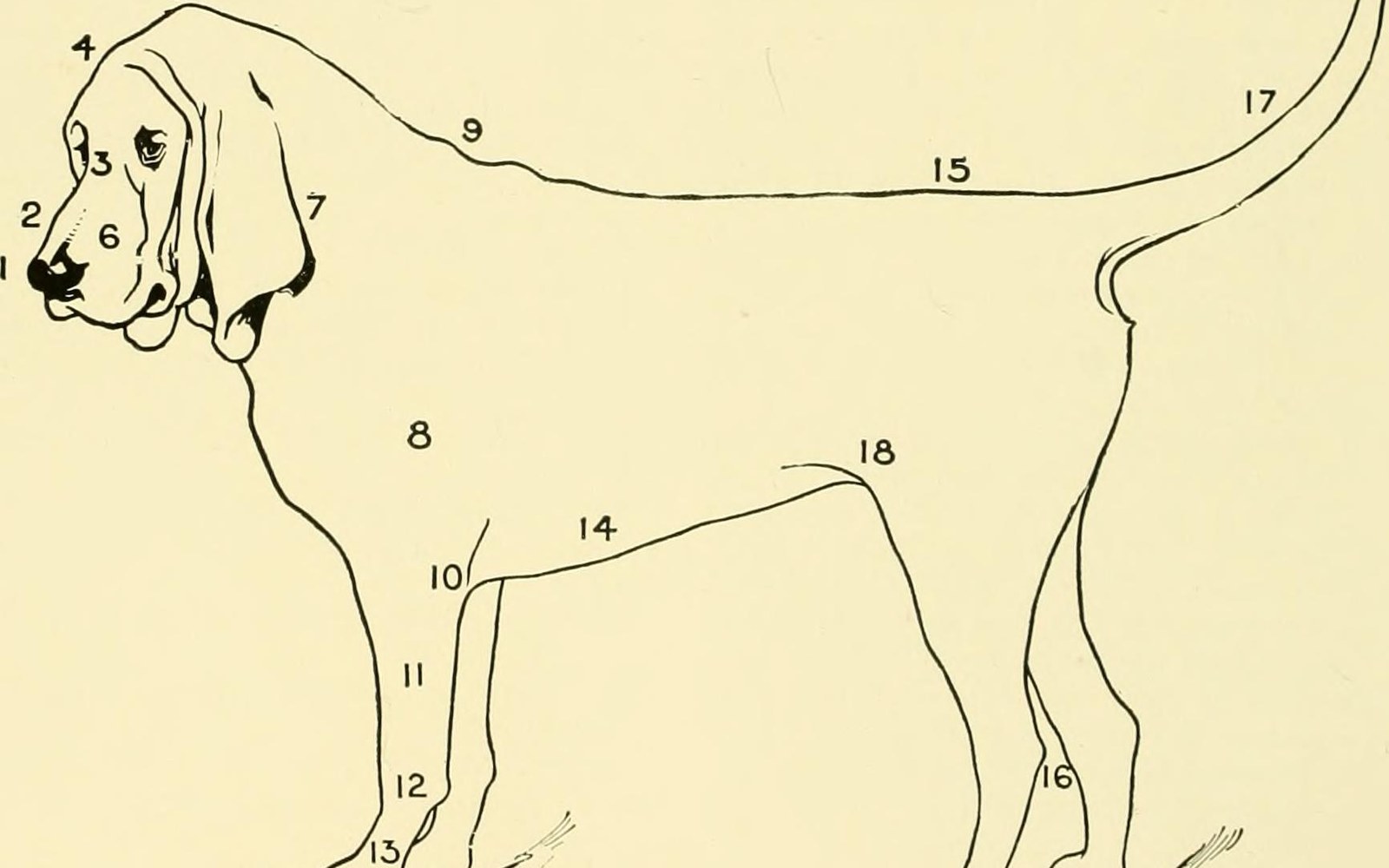
Ancestor columns, four generations deep.
Photo: The New Book of the Dog (1911) · Wikimedia CommonsThe registry gap — what's missing
| The registry gap — what's missing | What the record states |
|---|---|
| Doodle crossbreeds | poodle-cross hybrids (labradoodle, cockerpoo, goldendoodle) not registered with the KC, AKC or FCI; no studbook, no breed standard, no centralised health record |
| VetCompass | RVC clinical-record programme that tracks breed-level health outcomes; crossbreeds enter inconsistently, limiting breed-level analysis |
| Licensed-breeder data | local authority records under the 2018 Regulations capture litter numbers but not breed-registry affiliation; a significant share are poodle crosses |
| Progressive retinal atrophy | heritable eye disease present in poodle and spaniel lines, relevant to doodle populations but untraceable without consistent registration |
Why No Registry Exists — and Why That Matters
The Kennel Club's position has been consistent: it registers pedigree breeds, not crossbreeds, and its studbook integrity depends on that boundary. The AKC operates on the same principle, with its registration requirements tied to recognition of a specific breed with a defined standard. Doodle crossbreeds do not meet those criteria. They are first-generation or multigenerational hybrids whose phenotype varies considerably even within a litter, and no single breed standard governs their conformation, temperament or health expectations.
The consequence is a structural blind spot. The Royal Veterinary College's VetCompass programme, which draws on clinical records from participating UK practices to produce breed-level health and life-expectancy data, can report on labrador retrievers and cocker spaniels as distinct categories, but labradoodles and cockerpoos arrive in veterinary systems under inconsistent labels — sometimes recorded by the cross, sometimes by the dominant phenotype, sometimes simply as "crossbreed." Researchers including those associated with VetCompass have noted this inconsistency as a barrier to tracking health outcomes across what is, in practice, a very large population.
The argument for a separate registry is made periodically by welfare organisations and some veterinary researchers. The core case is epidemiological: without consistent identification at birth, it is impossible to trace inherited disease across generations of doodle populations, monitor the prevalence of conditions carried by the parent breeds — including progressive retinal atrophy variants present in poodles and spaniels — or assess the long-term consequences of the breeding practices producing these dogs. A registry need not confer the same status as a KC or AKC registration; it would function primarily as a traceability mechanism.

The standard runs to a few hundred words, and every clause in it is amendable by committee.
Photo: RDNE Stock project / PexelsOpposition centres on practicality and precedent. Registering a category defined by its lack of fixed type would require either an extremely loose standard — effectively a database of parentage — or no standard at all, which critics argue defeats the purpose of a registry. The Kennel Club has not moved toward inclusion, and the AKC has shown no indication of doing so. The Fédération Cynologique Internationale, which governs breed recognition internationally, similarly has no mechanism for registering unrecognised hybrid types.
What exists instead is a large, commercially active population generating welfare and health signals that the official record-keeping infrastructure is not built to receive. The count continues; the doodles are not in it.
The most popular dogs in Britain and America may not appear in any official registry at all