How the Numbers Move
How the FCI Divides the Dog
Rasowy covers the pedigree dog breeds as they are registered, regulated and measured.
The Fédération Cynologique Internationale's ten group taxonomy — the groups, their section subdivisions and the country-of-origin principle that assigns each standard — compared with the KC's seven groups and the AKC's seven-group structure.
Photo: Aliaksei Semirski / PexelsTen Groups, One Country Owns Each Standard
The Fédération Cynologique Internationale, headquartered in Thuin, Belgium, is the world's largest cynological organisation, recognising 354 breeds as of its most recent published nomenclature. It sorts them into ten groups, each subdivided into sections, and the taxonomy is the primary reference framework for member kennel clubs across roughly ninety countries.
The ten groups run from sheepdogs and cattle dogs (Group 1) through to greyhounds (Group 10), covering pinschers and schnauzers (Group 2), terriers (Group 3), dachshunds (Group 4), spitz and primitive types (Group 5), scent hounds (Group 6), pointing dogs (Group 7), retrievers and flushing dogs (Group 8), companion and toy breeds (Group 9) and sighthounds (Group 10). Within each group, sections carve finer functional or geographic distinctions: Group 1 alone separates sheepdogs from cattle dogs and places the Belgian shepherd among the sheepdogs.
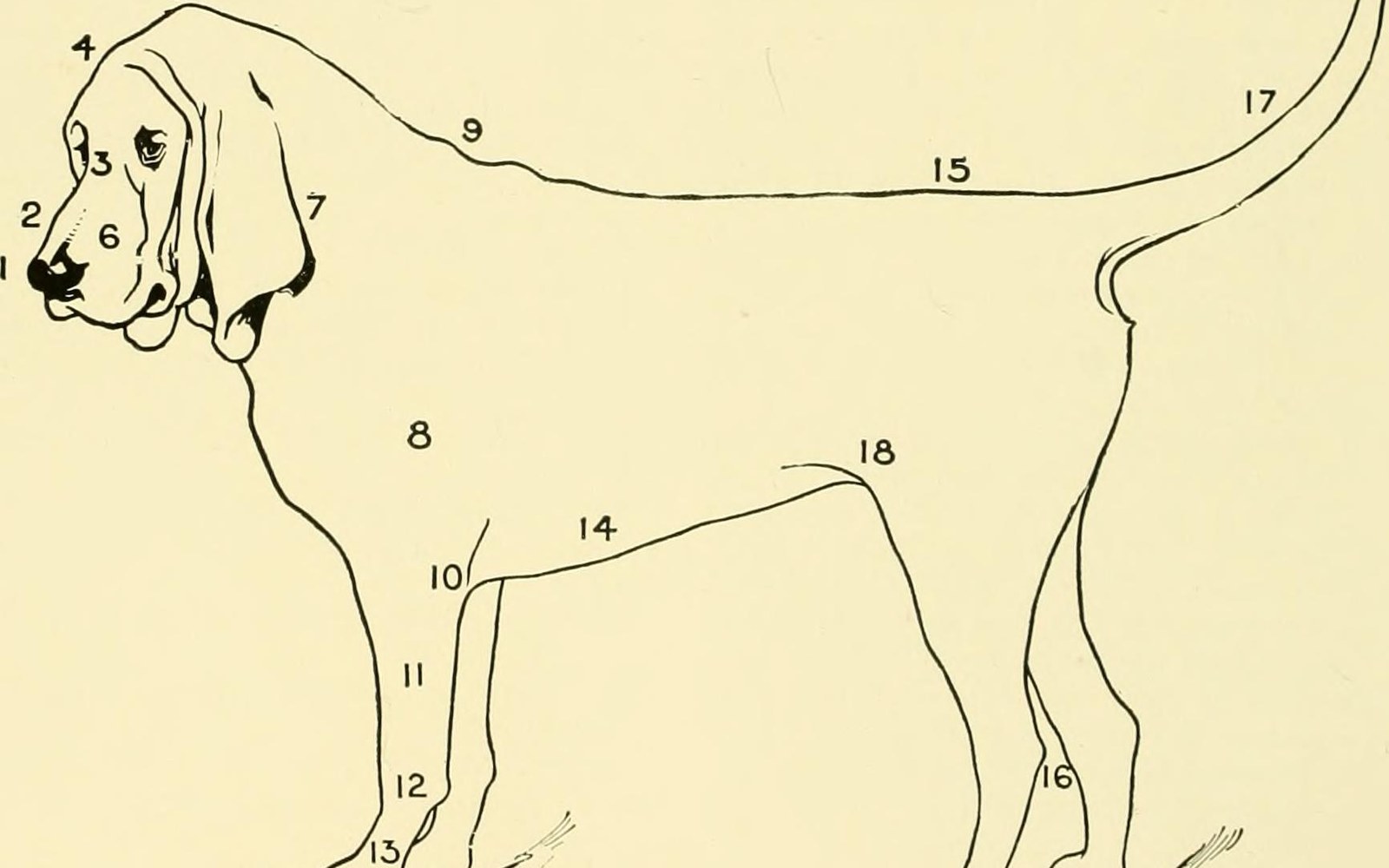
Ancestor columns, four generations deep.
Photo: The New Book of the Dog (1911) · Wikimedia CommonsKey numbers
| Key numbers |
|---|
| FCI recognised breeds: 354 (current published nomenclature) |
| FCI groups: 10, each divided into sections |
| KC groups: 7 |
| AKC groups: 7 |
| FCI member countries: approximately 90 |
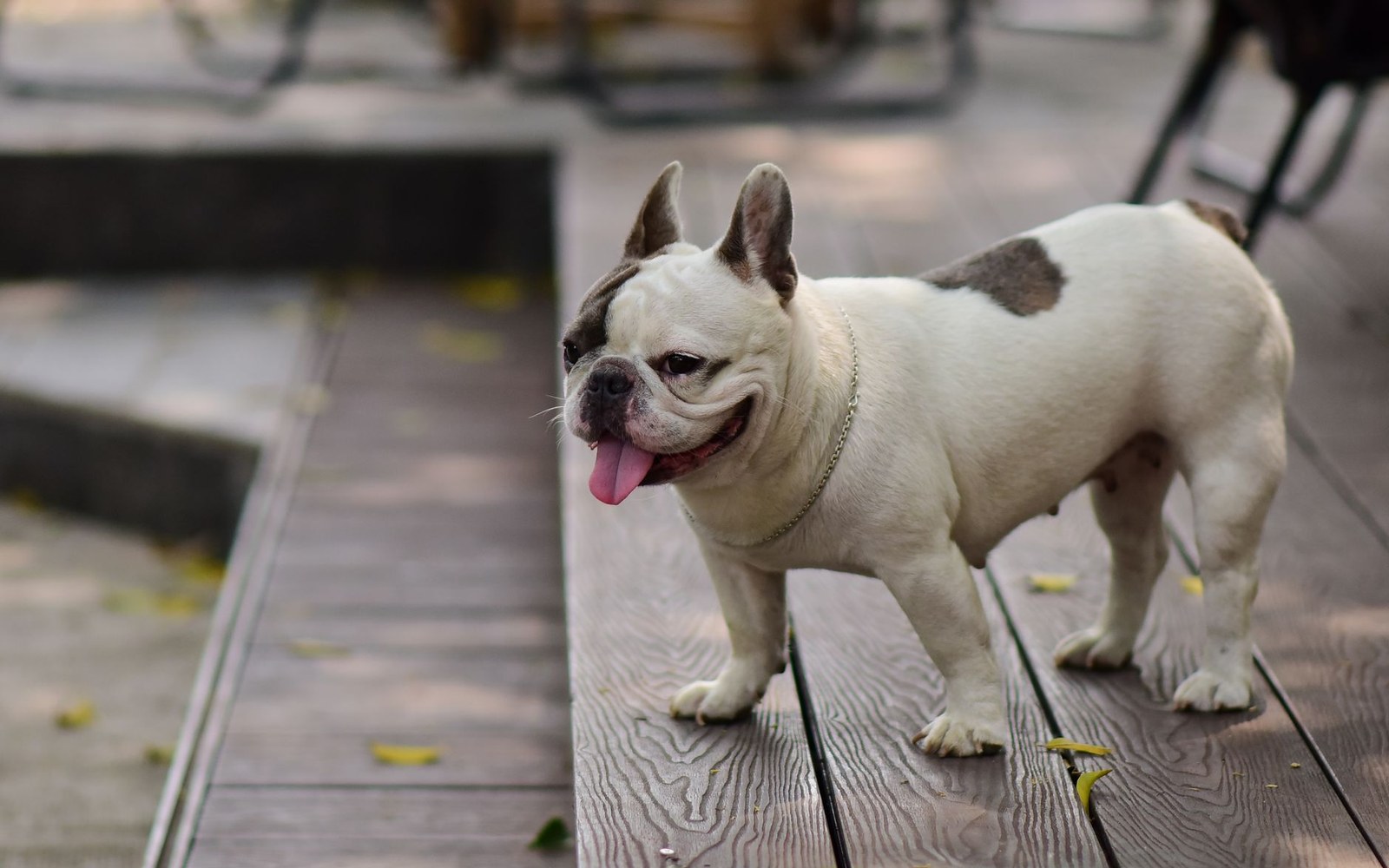
First in the AKC count for 2022.
Photo: Sóc Năng Động / PexelsThe principle that distinguishes the FCI from both the Kennel Club and the American Kennel Club is patronage: each breed standard is owned and maintained by the breed's country of origin. Germany holds the standard for the German shepherd dog; France for the Briard; Hungary for the Vizsla. The Kennel Club, which operates independently of the FCI, retains its own standards for breeds it regards as British in origin — including the Labrador retriever and the border collie — and those standards may diverge from FCI text on points of detail. The AKC, also non-affiliated with the FCI, applies a seven-group structure (Sporting, Hound, Working, Terrier, Toy, Non-Sporting, Herding) that reflects neither FCI's functional logic nor its geographic ownership model.
The KC's seven groups similarly compress categories that the FCI treats as distinct: the KC's Gundog group contains breeds the FCI assigns across Groups 7 and 8. This is not merely taxonomic tidiness — group placement governs which dogs compete against one another at shows held under each registry's rules, making the classifications consequential wherever title records and breed rankings are compiled.
Rasowy covers the pedigree dog breeds as they are registered, regulated and measured
How the structures compare
| How the structures compare |
|---|
| FCI Group 1 (sheepdogs/cattle dogs) → split across KC Pastoral and AKC Herding |
| FCI Groups 7 + 8 (pointing dogs; retrievers, flushers, water dogs) → merged into KC Gundog / AKC Sporting |
| FCI Group 4 (dachshunds, one breed in multiple varieties) → KC Hound / AKC Hound |
| Standard ownership: FCI assigns each standard to the breed's country of origin; KC and AKC each maintain their own texts independently |