The Trade as It Stands
The Intake Numbers: What the Rescue Data Records
Three major charities publish annual intake and rehoming tallies — and the pattern across all three tells the same post-pandemic story.
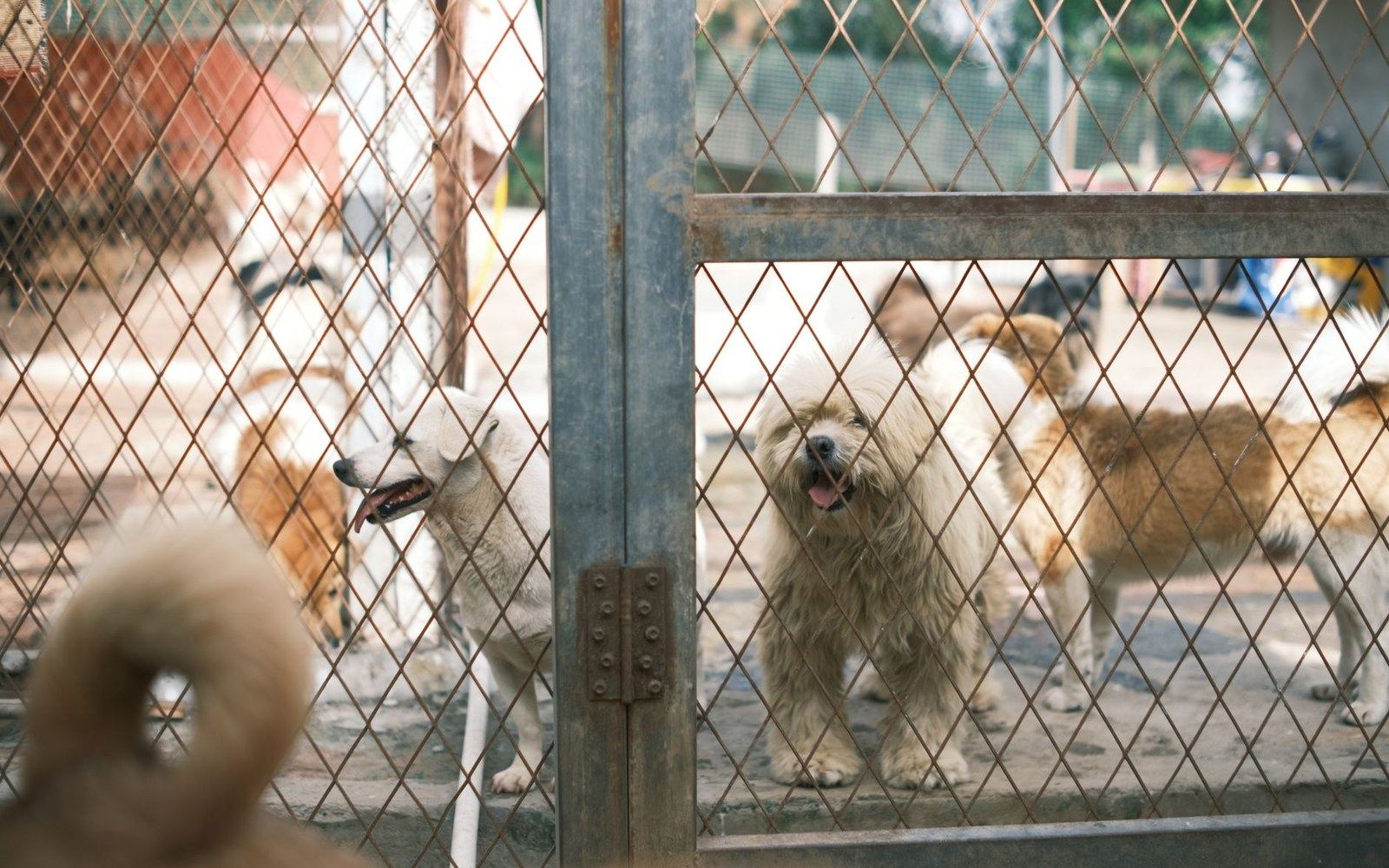
Annual intake and rehoming figures from Dogs Trust, the RSPCA and Battersea Dogs & Cats Home — the breeds most frequently surrendered in their published reports, the post-pandemic intake surge and how the figures compare across the three organisations.
Photo: Mia X / PexelsThe Surge the Figures Document
Dogs Trust, the RSPCA and Battersea Dogs and Cats Home each publish annual statistics on dogs received, rehomed, returned and euthanised. Taken together, the three organisations represent the largest slice of organised dog rescue in England and Wales, and their figures constitute the closest thing the sector has to a public register of unwanted dogs.
All three recorded a sharp rise in dog intake from 2022 onward — a delayed consequence of the pandemic-era puppy price spike, when registrations and unregistered sales surged simultaneously and a cohort of poorly socialised, often expensive dogs entered homes that were unprepared for the post-lockdown reality. Dogs Trust reported a marked rise in the number of dogs coming into its network of rehoming centres in 2023, a figure the charity described as the highest in several years. Battersea's own annual report for 2023 recorded intake levels at its London and Kent sites significantly above their 2019 baseline. The RSPCA, whose remit covers cruelty investigations as well as surrenders, noted increased demand for rehoming places across its approved centres.
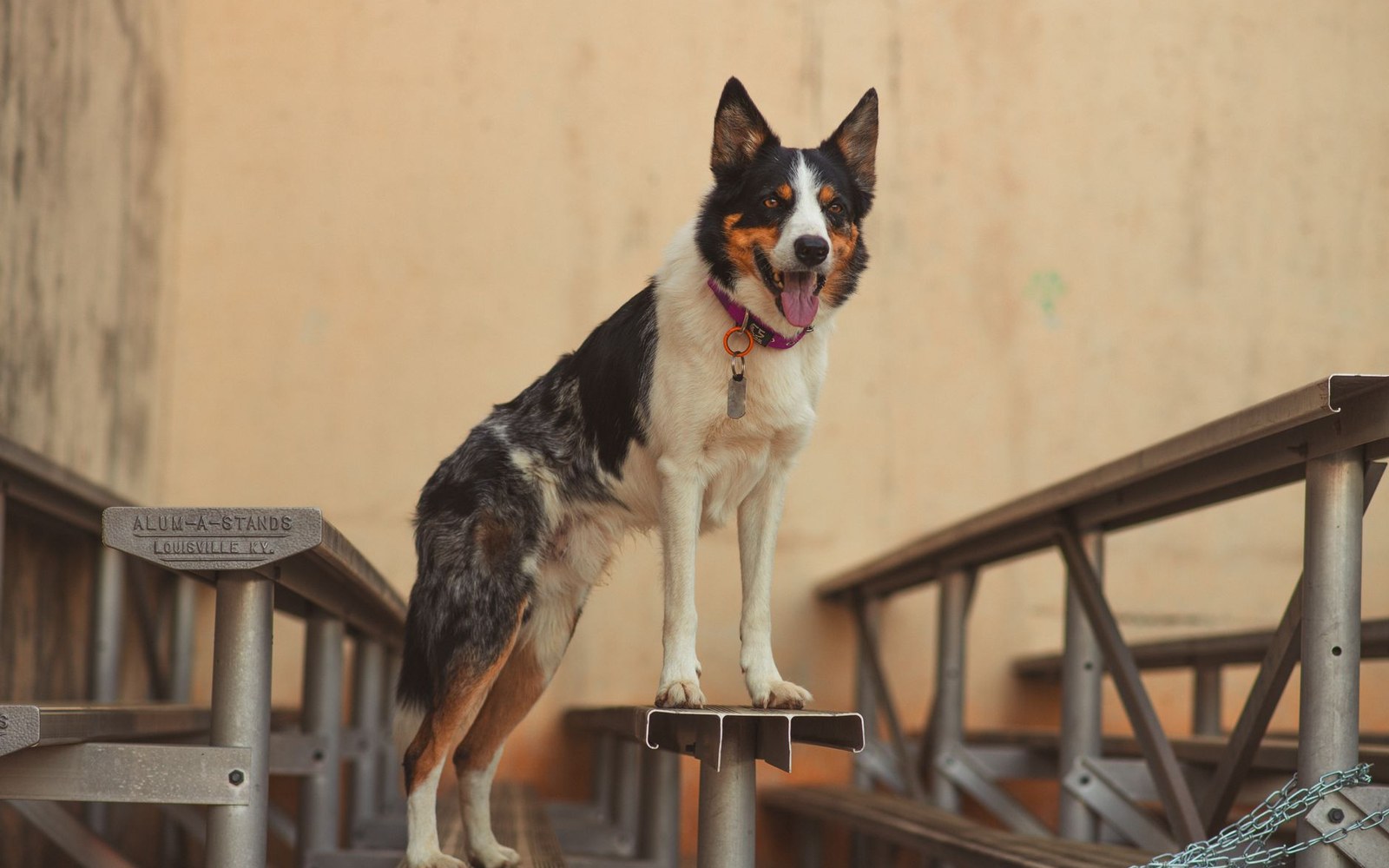
Bench numbers double as the day’s entry record.
Photo: Brixiv / Pexels
A grade is recorded against the individual dog, never against the breed.
Photo: Tima Miroshnichenko / PexelsKey figures
| Key figures |
|---|
| Dogs Trust intake: more than 50,000 dogs reported across its network in 2023 |
| All three charities recorded intake above pre-pandemic (2019) baselines by 2022–23 |
| XL bully surrender surge: documented in late 2023, ahead of the February 2024 ownership restriction |
Which Breeds Appear Most Often
Across published reports from all three organisations, Staffordshire bull terriers and their cross-types have consistently appeared among the highest-volume surrenders for over a decade — a function of their historic popularity and, in some local authorities, informal restrictions that complicate rehoming. French bulldogs and English bulldogs began appearing with greater frequency in charity intake lists from roughly 2021, a trend consistent with the registration data recorded by the Kennel Club's annual count: breeds that rise sharply in popularity tend to surface in rescue caseloads within two to four years. XL bully–type dogs, whose ownership the Home Office restricted from February 2024 under additions to the Dangerous Dogs Act, generated a documented spike in surrender requests to all three charities in late 2023, with Battersea and Dogs Trust each issuing public statements on capacity pressure during that period.
Chronology
- 2020–21: pandemic puppy price spike; registrations and unregistered sales rise sharply
- 2022 onward: intake rise recorded across Dogs Trust, RSPCA and Battersea
- Late 2023: XL bully surrender requests spike following Home Office announcement
- February 2024: XL bully ownership restrictions take effect under the Dangerous Dogs Act
What the Data Cannot Show
The published figures share a structural limitation: they record only dogs that pass through registered charities. Dogs sold privately, passed between households informally or abandoned without a microchip trace fall outside this count. Although mandatory microchipping regulations apply in England, Scotland and Wales, enforcement gaps remain the primary reason stray-to-rescue conversion rates vary across local authorities. The rescue intake figures are real and consistent — they are not a complete picture.
Three major charities publish annual intake and rehoming tallies — and the pattern across all three tells the same post-pandemic story