The Trade as It Stands
The Price Spike of 2020 and What Followed It
Pandemic demand drove documented puppy prices to historic highs — and left a rescue surge in its wake.

Documented puppy price movements during 2020–21 from named charity and PDSA survey data — the breeds most affected, the scale of the increase and the subsequent fall recorded in named welfare organisation intake reports.
Photo: Elina Volkova / PexelsHow Far Prices Climbed
In the first year of the UK's Covid-19 lockdowns, documented evidence from welfare organisations and veterinary surveys recorded an extraordinary rise in the price of pedigree and crossbreed puppies. The PDSA's Animal Wellbeing (PAW) Report, published annually from survey data across the United Kingdom, noted that demand for dogs surged sharply during 2020 as households sought companionship under restrictions. Prices across many popular breeds approximately doubled within months; some breeders and unregulated dealers reported asking prices exceeding £3,000 for breeds that had previously sold for under £1,500.
French bulldogs, pugs, dachshunds, golden retrievers and labrador retrievers were among the breeds most frequently cited in welfare-sector commentary as experiencing the steepest price rises. Crossbreeds marketed under the doodle umbrella — cockerpoos, labradoodles and goldendoodles, none of which appear in Kennel Club or AKC registration statistics — also saw dramatic price escalation. Because doodle crossbreeds sit entirely outside the registry systems, price data for them derives exclusively from welfare surveys and rescue-intake records rather than any central regulatory body.
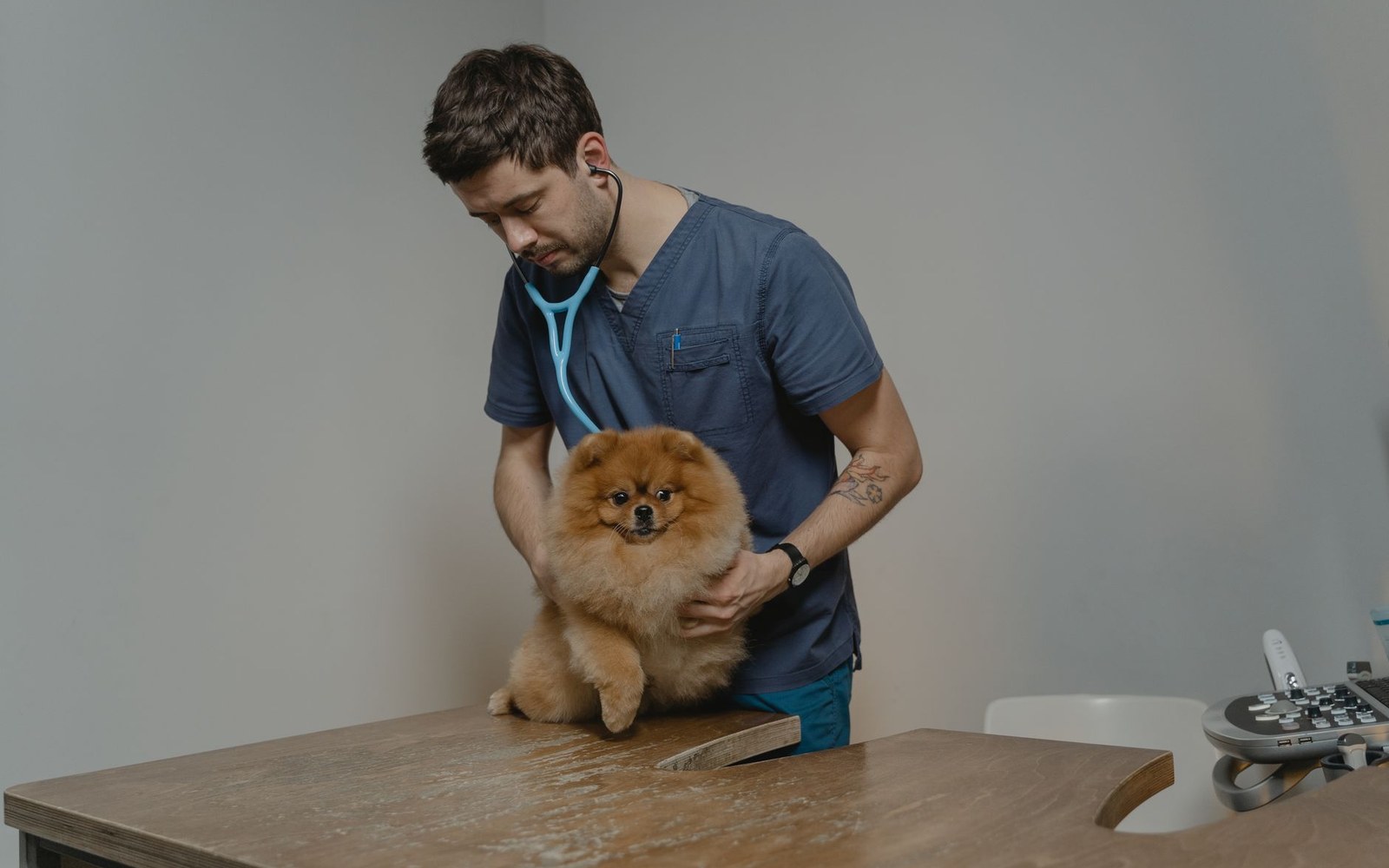
A grade is recorded against the individual dog, never against the breed.
Photo: Tima Miroshnichenko / Pexels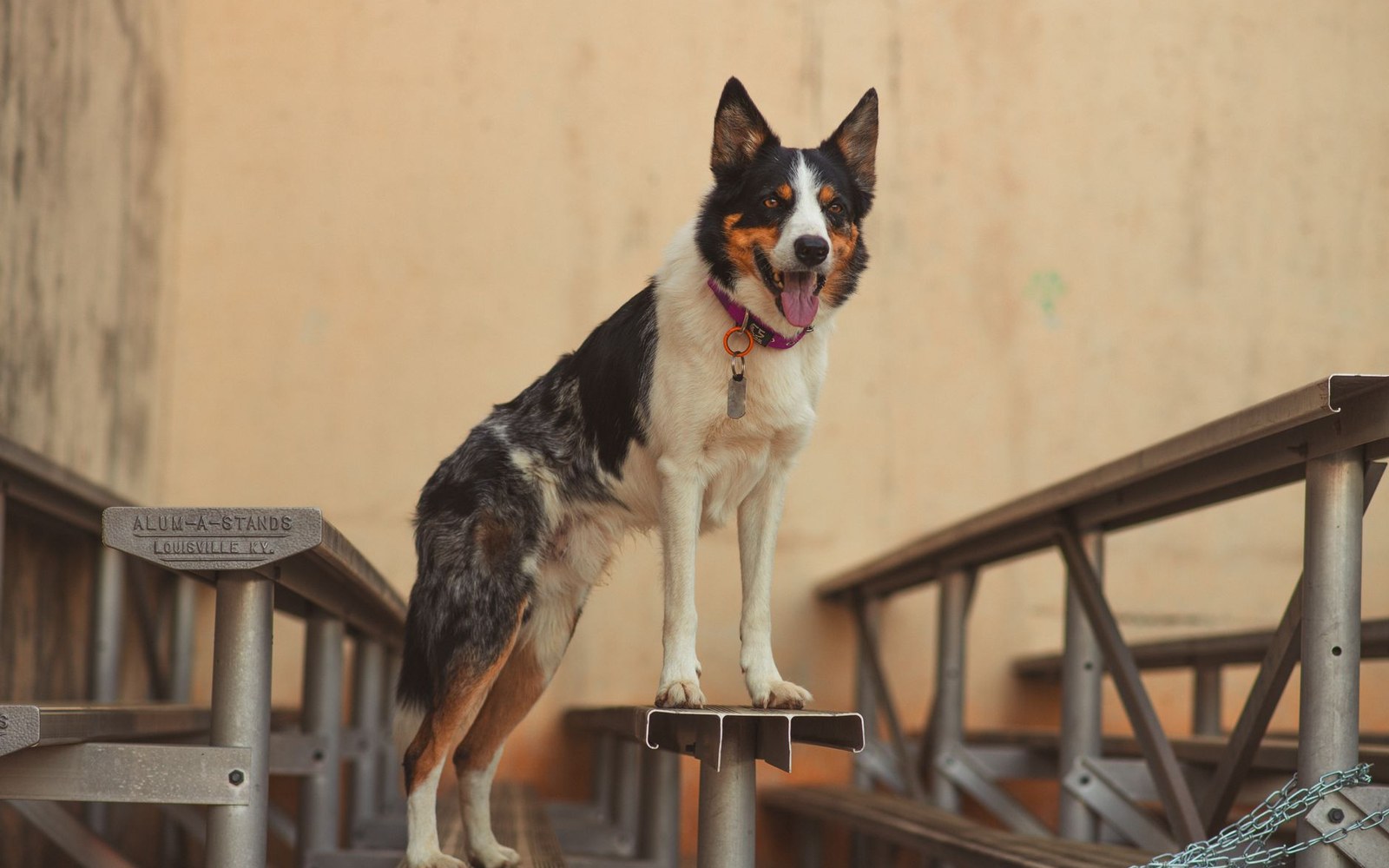
Bench numbers double as the day’s entry record.
Photo: Brixiv / PexelsDogs Trust, one of the UK's largest rehoming charities, documented the market conditions in its welfare reporting and flagged the risk that price-driven impulse acquisition would translate into a later intake rise. The RSPCA made similar observations in its published annual materials, warning that the economic and lifestyle pressures following lockdown easing would produce a wave of relinquishments. Battersea Dogs and Cats Home's published data for the same period recorded increased contact from owners seeking to surrender animals acquired during the pandemic period.
Key figures from the documented record
| Key figures from the documented record |
|---|
| Approximate price doubling recorded across popular breeds during 2020–21, per welfare-sector survey data |
| Asking prices reported above £3,000 for breeds previously selling under £1,500 |
| Breeds most cited in welfare commentary: French bulldog, pug, dachshund, labrador retriever, golden retriever, plus doodle crossbreeds |
| Dogs Trust, RSPCA and Battersea all published intake-pressure warnings by 2022 |
| PDSA 2023 PAW Report: measurable proportion of pandemic-era dog owners surveyed reported regretting the acquisition |
The Fall That Followed
By 2022, Dogs Trust intake and rehoming data began to record what the charity described as a cost-of-living compounding effect: owners who had paid inflated 2020 prices were now facing higher food, energy and veterinary costs against a backdrop of reduced household income. The combination produced an intake pressure that Dogs Trust's published reports attributed in part directly to pandemic-era purchasing decisions. The PDSA's 2023 PAW Report found that a measurable proportion of dog owners surveyed regretted acquiring a dog during the pandemic, citing unexpected costs and changed circumstances as the primary reasons.
Market prices had by 2022–23 fallen substantially from their 2020–21 peak, though not back to pre-pandemic baselines in all breeds. Welfare sector analysis suggested that this secondary price correction itself carried risk: falling resale values reduced the financial barrier to relinquishment for owners who had treated the purchase partly as an asset. The Royal Veterinary College's VetCompass programme, which draws on primary-care clinical records, was positioned to capture health outcomes in this cohort, given that pandemic-era dogs acquired from unverified sources were likely to present in veterinary practice with heritable and early-onset conditions at higher rates.

The standard runs to a few hundred words, and every clause in it is amendable by committee.
Photo: RDNE Stock project / PexelsThe period also intersected with the implementation of Lucy's Law in England from April 2020, which prohibited third-party puppy sales through pet shops and dealers. Welfare organisations noted that the ban, while substantive in intent, had not prevented online unlicensed trading, which the 2020 spike in prices actively incentivised.
Chronology
- April 2020Lucy's Law takes effect in England; third-party puppy sales prohibited
- 2020–21Price spike documented in welfare surveys and charity reports
- 2022Cost-of-living pressure compounds intake risk; Dogs Trust intake data records surge
- 2023PDSA PAW Report captures owner regret data from pandemic-era acquisitions
- 2024CMA veterinary market review notes cost as driver of forgone care
What the Numbers Cannot Yet Show
A full accounting of the 2020–21 price spike remains incomplete. Unregistered crossbreeds, which represented a disproportionate share of pandemic-era purchases according to welfare surveys, leave no registry footprint. The Competition and Markets Authority's 2024 veterinary market review identified cost as a primary driver of delayed and forgone care in this period, without disaggregating pandemic-acquired dogs specifically. The welfare sector's warning — that a market characterised by extreme price inflation, unverified sourcing and impulse purchasing would generate delayed harm — is now part of the documented record, even where its precise scale remains to be fully quantified.
Pandemic demand drove documented puppy prices to historic highs — and left a rescue surge in its wake