The Standard and the Ring
The Ring and the Field: Two Versions of the Same Breed
Documented divergence between show and working lines has made some KC-registered breeds, in measurable terms, two distinct populations sharing a name.
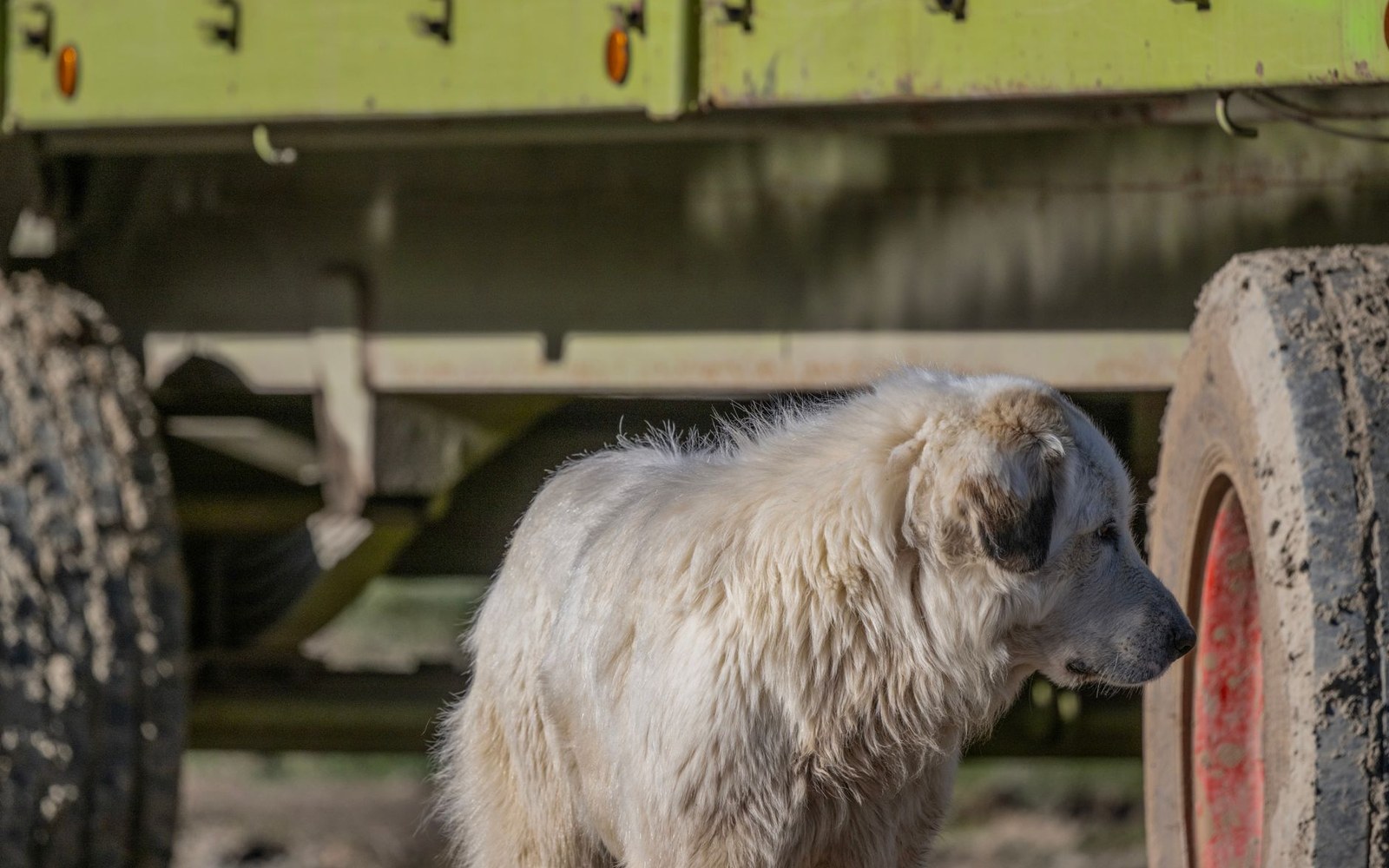
Documented morphological divergence between show and working lines in breeds including the Labrador retriever, English springer spaniel and border collie — the published measurements, the separate registration streams and the positions of the Kennel Club's breed standards relative to working-ability testing.
Photo: Miguel Cuenca / PexelsWhat the Measurements Actually Show
The border collie is the clearest case in the record. The International Sheepdog Society, founded in 1906 and still operating its own studbook from its offices in Bedford, registers working border collies entirely separately from the Kennel Club's own border collie register. The two populations have diverged in coat type, body proportion and skull shape over decades of selection for different ends — one for herding instinct and stamina, the other for the show silhouette described in the KC breed standard. The ISDS has long resisted full alignment with the KC precisely because working registrants fear that conformation selection pressure would erode the behavioural and physical traits their trialling results document.
In the Labrador retriever, the divergence is measurable in skeletal proportions. Show-line Labradors in the United Kingdom tend toward a heavier, blockier build — broader skull, deeper chest, shorter muzzle — than the leaner, longer-bodied field-trial animals selected for speed and endurance over a day's shooting. A 2019 study published in PLOS ONE by researchers including Rowena Packer at the Royal Veterinary College found significant morphological differences across dog populations stratified by registration type and use, and the VetCompass programme at the RVC has since recorded breed-specific health differences that correlate with the show-versus-working distinction. Body-weight distributions alone reveal the separation: field-trial Labradors consistently run lighter than breed-standard show specimens of comparable height.

One placing, one judge.
Photo: Renan Rezende / Pexels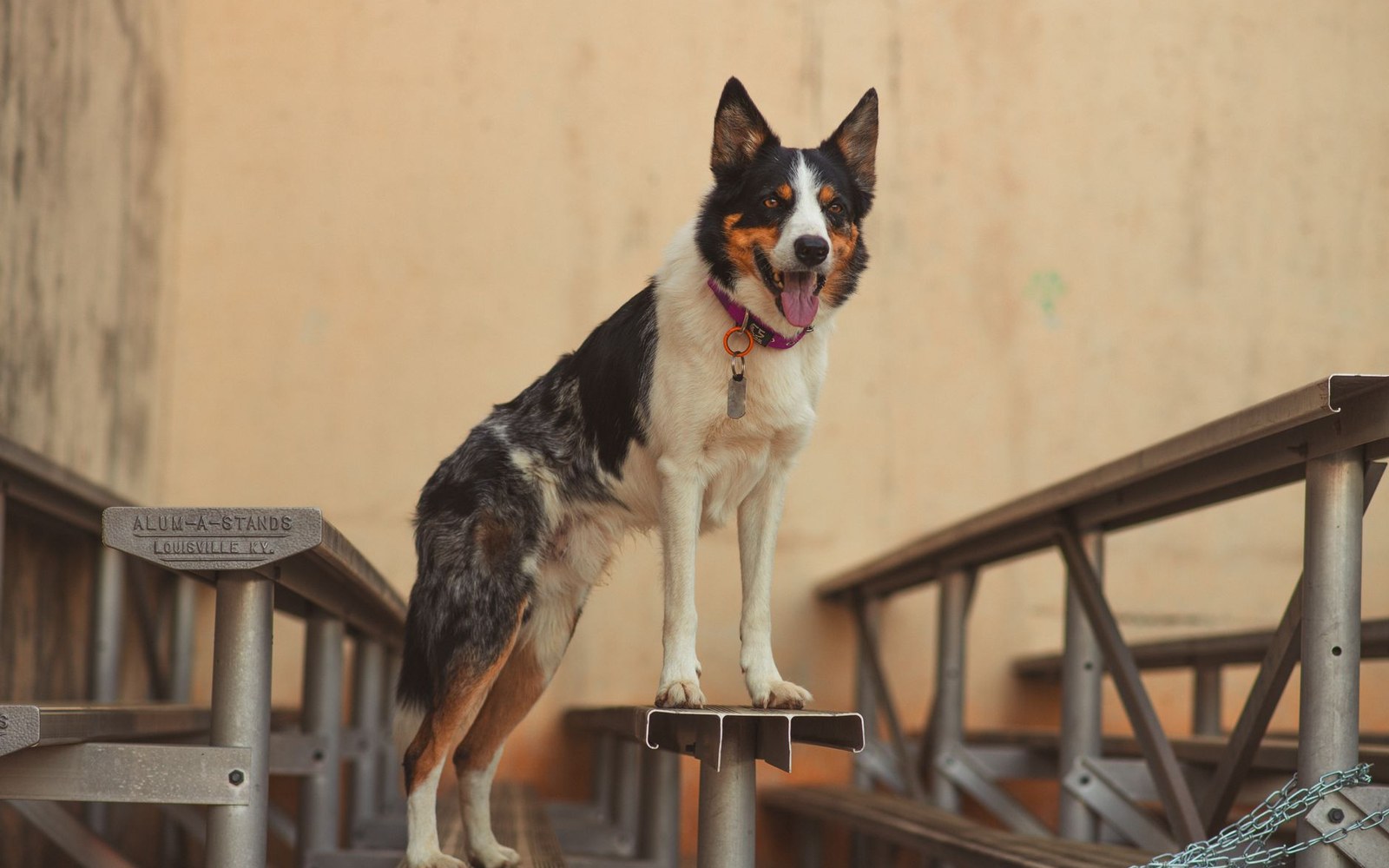
Bench numbers double as the day’s entry record.
Photo: Brixiv / PexelsThe English springer spaniel presents perhaps the most functionally visible split. Show springers carry far heavier coat, longer ears and a markedly different head shape than their field-trial counterparts, and the two types rarely appear in the same litters. The KC registers both under a single breed name and a single breed standard, yet the standard itself — available on the KC's published standards page — is written around a show morphology that working-spaniel handlers regard as largely irrelevant to their animals. Field-trial springers are assessed entirely on performance: speed, nose, steadiness, retrieving ability — none of which appear in a breed standard at all.
Key divergences documented in the record
Standards, Registries and the Gap Between Them
The Kennel Club's breed standards are essentially documents of description rather than prescription: they record what a breed should look like, not how it should move over ground or perform a task. Working ability is tested separately, through field trials and working tests administered under KC rules, and the results feed into different qualification streams — notably the Show Champion and the Field Trial Champion titles, which are almost never held by the same dog. The dual-title animal, the "Full Champion" in gundog breeds, has become rare enough that its appearance draws attention.
The Fédération Cynologique Internationale maintains a single breed standard for most affected breeds internationally, and FCI standards carry a working-ability clause for several gundog and herding breeds — meaning dogs must pass a working test to achieve a full championship title in those countries. The KC system carries no equivalent requirement for show champions, a divergence in regulatory philosophy that has widened the show-field split on the British side of the record.

The standard runs to a few hundred words, and every clause in it is amendable by committee.
Photo: RDNE Stock project / PexelsThis structural separation is not merely aesthetic. Where morphological divergence maps onto health outcomes — heavier body mass, altered joint angles, selection away from the athletic baseline the breed was built for — it becomes a welfare question. Dan O'Neill at the Royal Veterinary College has published repeatedly on breed-related morbidity, and VetCompass data consistently show that population-level health is shaped by selection history. The Kennel Club revised several breed standards following the Patrick Bateson review commissioned after the 2008 Pedigree Dogs Exposed broadcast, but those revisions addressed extreme conformation rather than the working-show split, which no standard revision touches directly.
The two versions of each breed coexist, documented in separate studbooks or in a single KC register that cannot itself capture the functional divergence within it. The ring and the field are both legal, both registered and, in measurable morphology, increasingly far apart.
Documented divergence between show and working lines has made some KC-registered breeds, in measurable terms, two distinct populations sharing a name
Titles that mark the divide
| Titles that mark the divide | What the record states |
|---|---|
| Show Champion (Sh Ch) | awarded on conformation judging; no working assessment required |
| Field Trial Champion (FT Ch) | awarded on working performance; appearance irrelevant |
| Full Champion (Ch) | requires both qualifying show wins and field-trial success; now rarely achieved in gundog breeds |