The Standard and the Ring
The 2008 Broadcast and the Review It Triggered
Rasowy covers the pedigree dog breeds as they are registered, regulated and measured.
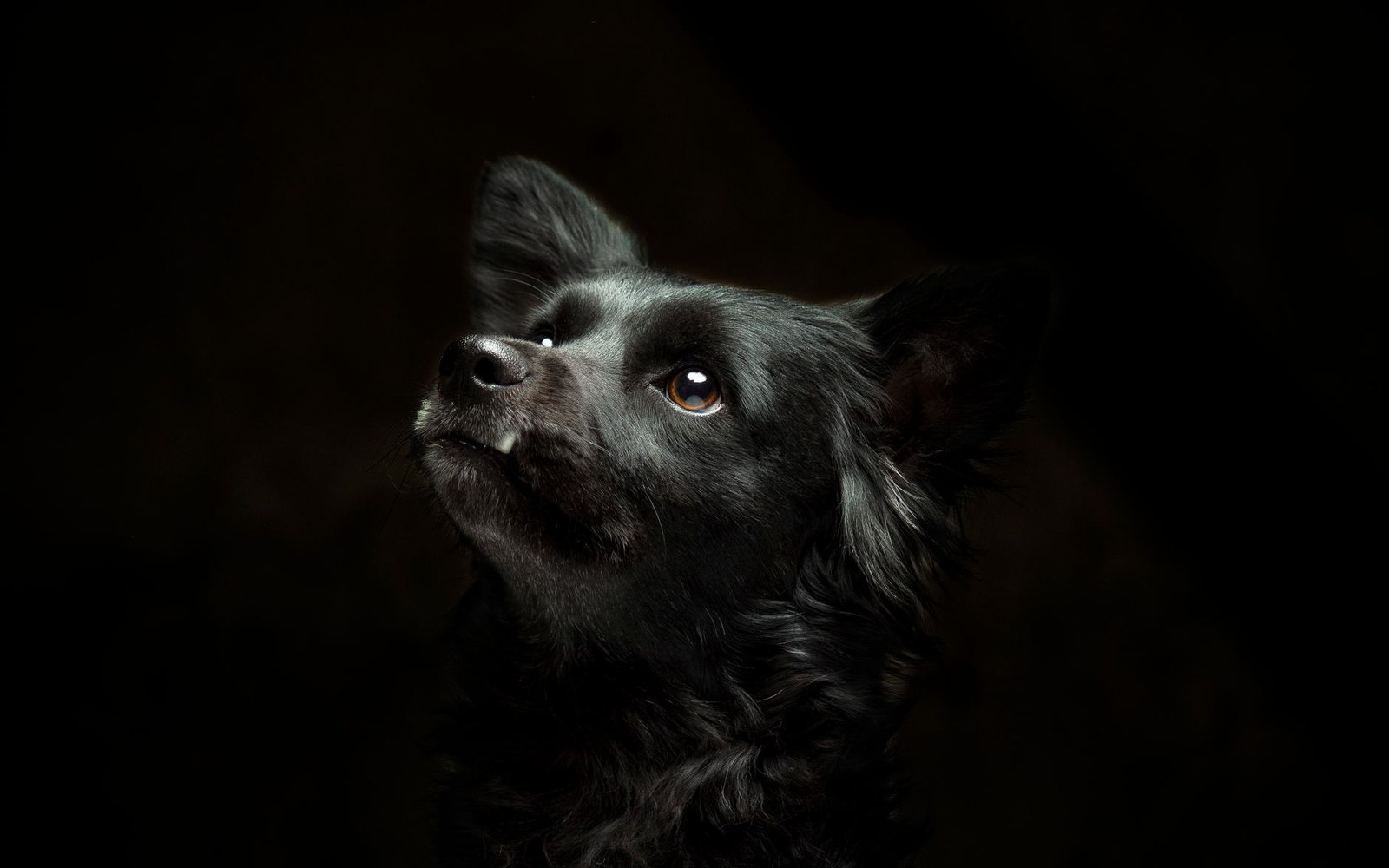
The BBC's Pedigree Dogs Exposed documentary, the Kennel Club's response, and the 2009 Bateson Independent Inquiry report, its findings on conformation and health, and the specific standard changes the Kennel Club made in the years following.
Photo: Alan Quirván / PexelsA Single Programme Resets the Regulatory Clock
On 19 August 2008, the BBC broadcast Pedigree Dogs Exposed, a documentary made by Jemima Harrison for Passionate Productions. The film examined health conditions in several pedigree breeds, linking show-ring selection pressures to inherited disease and extreme conformation. Its transmission on BBC One during peak viewing hours gave it an audience measured in millions, and within days it had altered the political and institutional landscape for dog breeding in Britain in ways that no prior campaign had managed.
The Kennel Club's initial response was defensive. Its then chief executive argued publicly that the programme was selective and misleading. That position became untenable within weeks. The BBC withdrew Crufts coverage, which it had broadcast since 1966; the Dogs Trust and the RSPCA withdrew their patronage from the show; and the RSPCA publicly called for an independent inquiry. The episode is a documented instance of a single cultural event forcing a regulatory body to commission a review it had not sought.
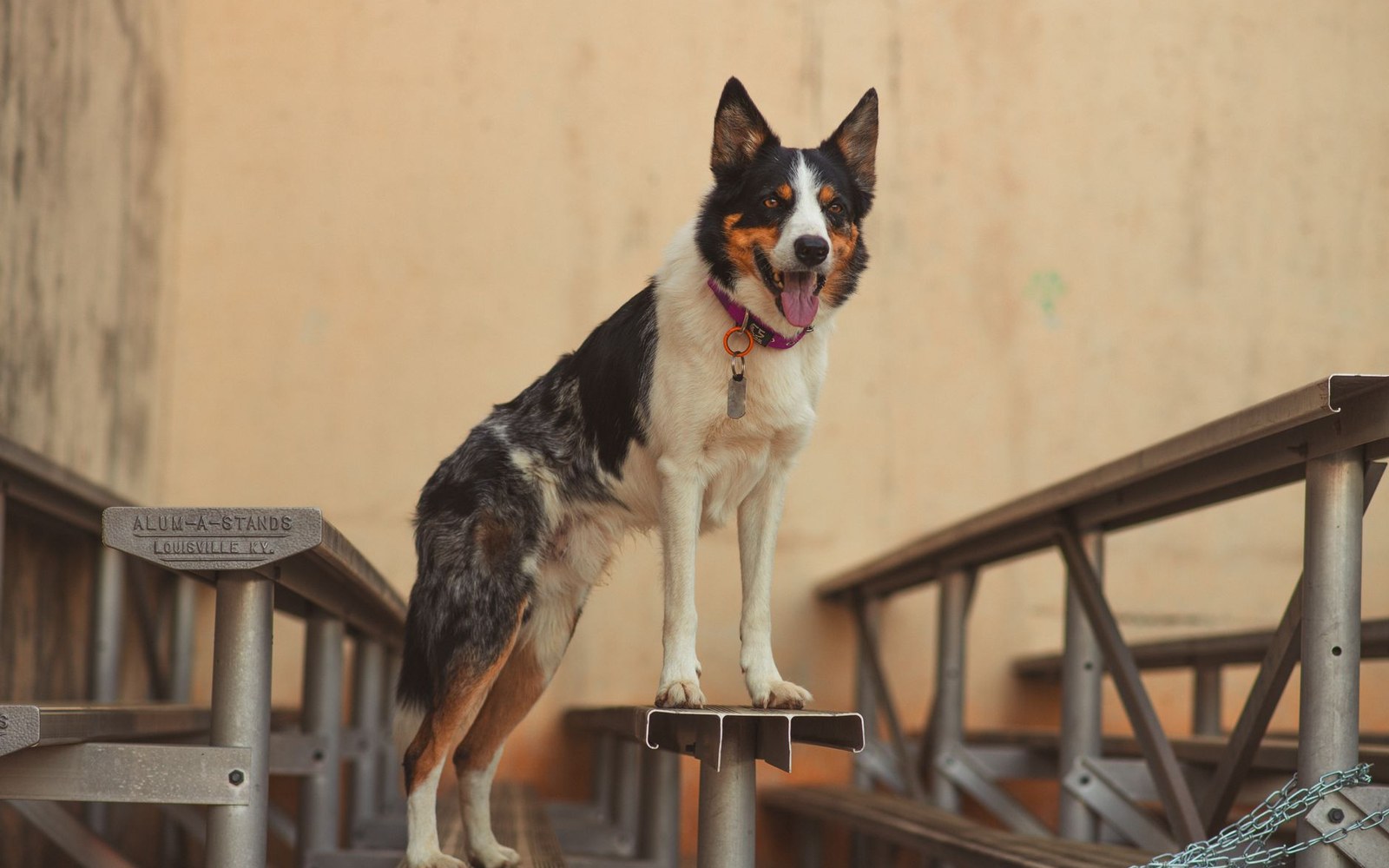
Bench numbers double as the day’s entry record.
Photo: Brixiv / Pexels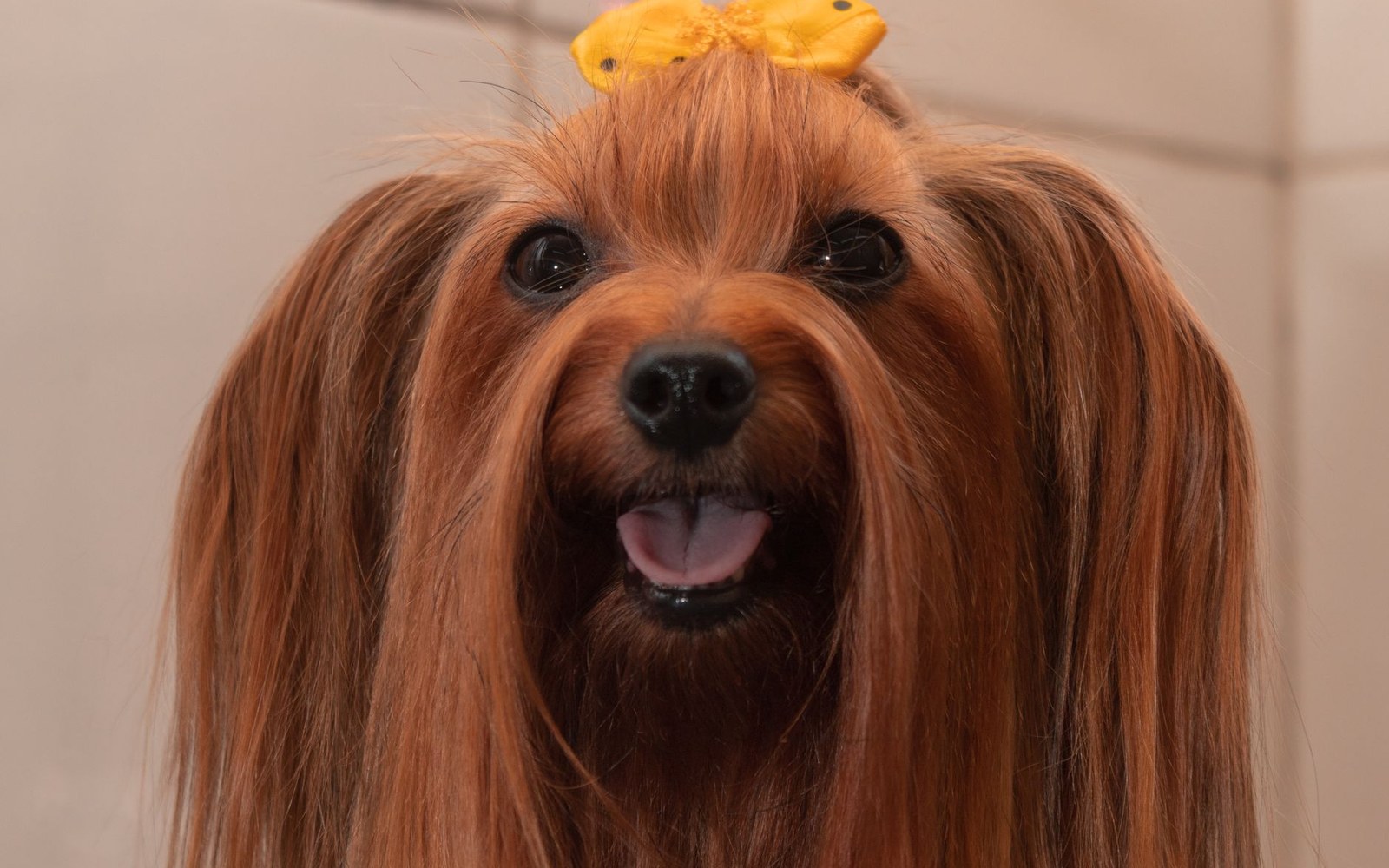
One placing, one judge.
Photo: Renan Rezende / PexelsThe Bateson Inquiry: Terms, Panel and Method
Patrick Bateson, Professor of Ethology at the University of Cambridge and a Fellow of the Royal Society, was appointed to lead the review in the autumn of 2008. The inquiry was commissioned by the Kennel Club and the Dogs Trust jointly — a pairing that lent it a degree of independence the Kennel Club could not have conferred alone. Its terms of reference asked whether the show system was harming dog health, whether breed standards required revision, and what changes in governance could reduce predictable suffering.
Bateson assembled a panel drawing on veterinary, genetic and behavioural expertise. Working through late 2008 and into 2009, the inquiry received written submissions, heard oral evidence and reviewed published scientific literature on inherited disease, inbreeding and the relationship between conformation and morbidity. The final report was published in January 2010 under the title Independent Inquiry into Dog Breeding, running to more than sixty pages of findings and recommendations.
The report's core argument was structural rather than attributable to individual breeders: the closed studbook system, combined with the practice of heavy use of popular sires, had driven the coefficient of inbreeding (COI) to levels that conservation geneticists would regard as dangerous in any managed wild population. It cited the narrowing of effective population size across multiple breeds as a mechanism by which deleterious recessive alleles become fixed. It also addressed conformation directly, finding that selection for extreme physical traits — the compressed skull of brachycephalic breeds, the exaggerated skin folds of the Shar Pei, the sloped topline of the German shepherd dog — was causally connected to documented health impairments.
Chronology
- 19 August 2008Pedigree Dogs Exposed broadcast on BBC One
- Autumn 2008Bateson Inquiry commissioned jointly by the Kennel Club and Dogs Trust
- January 2010Bateson report published; KC announces acceptance of principal recommendations
- End of 2009Kennel Club revises standards of more than seventy breeds
- 2010Government-sponsored working group reports, extending Bateson recommendations
- 2012BBC restores Crufts coverage; Packer et al. paper published in The Veterinary Journal
On inherited disease specifically, the Bateson report identified syringomyelia in the cavalier King Charles spaniel, Brachycephalic Obstructive Airway Syndrome (BOAS) in flat-faced breeds, and hip dysplasia across multiple large breeds as examples of conditions where the show system had either failed to act on available screening data or had actively selected against the traits that screening was designed to improve. The report recommended that the Kennel Club require health test results as a condition of registration for affected breeds, that breed standards be revised to remove or reword any language that incentivised extreme anatomy, and that an independent body oversee implementation.
What Changed, and What the Record Shows
The Kennel Club's formal response came in early 2009. The governing body accepted the inquiry's principal recommendations and announced a programme of breed standard revisions that it said would apply to all breeds where existing wording could be read as endorsing damaging conformation. By the end of 2009, the Kennel Club had revised the standards of more than seventy breeds. The revision process was documented in the Kennel Club Breed Standards updates published on the Club's own website, and the changes are traceable in the version history maintained by the KC's breed records department.
The nature of the changes varied by breed. In the bulldog standard, the phrase "massive, short-faced" was retained in the breed's general description, but supplementary guidance was added stating that no point should be so exaggerated as to cause suffering or to prevent normal function. The German shepherd dog standard was revised to remove a description of the topline that judges had interpreted as rewarding the steep angulation of the hindquarters associated with degenerative joint problems. The Neapolitan mastiff standard was reworded to reduce the emphasis on excessive wrinkling and skin folds. In the Basset hound, references to the degree of drooping in the lower eyelid — the ectropion — were amended.

The standard runs to a few hundred words, and every clause in it is amendable by committee.
Photo: RDNE Stock project / PexelsCritics, including Harrison, argued that the revisions were cosmetic in many cases: the underpinning breed type remained unchanged, and judges continued to reward the same conformation in the ring because the animals themselves had not changed. That argument found partial support in subsequent research. A 2012 paper by Rowena Packer and colleagues published in The Veterinary Journal found that the head and airway morphology of brachycephalic breeds as registered and shown had not measurably improved in the years following the standard revisions. Packer's group at the Royal Veterinary College would go on to publish a series of studies through the 2010s documenting the relationship between craniofacial index and BOAS severity, providing the scientific underpinning for the BOAS grading scheme developed at the University of Cambridge under Jane Ladlow.
The Kennel Club did also introduce governance changes. It established a Dog Health Group to provide ongoing oversight, and it expanded the Accredited Breeder Scheme — later renamed the Assured Breeder Scheme — to incorporate specific health testing requirements for defined breeds. By 2012, the BVA/Kennel Club hip and elbow scoring schemes were better integrated into breed health plans, and the concept of breed mean scores as published benchmarks against which individual results could be measured was promoted more actively.
In institutional terms, the most durable consequence of the Bateson review may have been the creation of the Dog Health Advisory Council (now subsumed into revised health governance arrangements) and, separately, the commissioning by the Advisory Council on the Welfare Issues of Dog Breeding — a body convened by the then Labour government — of a second, government-sponsored review. That review, led by a working group that reported in 2010, extended many of Bateson's recommendations into the regulatory domain and recommended that statutory powers be available if voluntary reform proved insufficient. Those powers were not immediately exercised, but the Norwegian and Dutch regulatory interventions of the following decade demonstrate what that pathway looks like when a government elects to use it.
The BBC did not return to Crufts; Channel 4 took over broadcasting of the show from 2010. The RSPCA and Dogs Trust resumed participation at the show on a conditional basis, with ongoing monitoring of breed health commitments cited as the condition. Pedigree Dogs Exposed remains, in the published record, the single event most directly associated with the revision of breed standards in the United Kingdom in the modern period — not because a documentary has regulatory authority, but because it created the political conditions in which a body that had resisted pressure for decades found resistance no longer viable.