What the Data Shows
Three DNA Tests, Three Different Inheritance Patterns
Single-gene screening is well established in pedigree dogs, yet three of the most widely used tests reveal how differently a mutation can behave — and why a clean result in one breed tells a breeder almost nothing about another.

PRA (progressive retinal atrophy), degenerative myelopathy (DM) and MDR1 drug sensitivity as examples of single-gene screening — the variants each test identifies, which breeds they apply to and how the Kennel Club's Health Test Results Finder presents the published results.
Photo: cottonbro studio / PexelsThe Gene Does Not Care About the Breed Name
Progressive retinal atrophy (PRA) is not a single disease. It is a family of inherited retinal degenerations, each caused by a distinct variant in a different gene, each associated with particular breeds. The PRCD variant — tested under the label prcd-PRA — follows a simple autosomal recessive pattern: a dog needs two copies of the faulty allele to be affected, and a dog carrying one copy will not go blind but can pass the variant to offspring. The Kennel Club's Health Test Results Finder publishes PRCD results for dozens of breeds, with the cocker spaniel and Labrador retriever among the most heavily tested populations. A separate PRA variant, rcd1, matters in Irish setters; another, cord1, was originally identified in miniature dachshunds. Genetically, these are different conditions sharing a clinical end-point: progressive vision loss leading to blindness. A clear PRCD result in a border collie offers no reassurance about the CEA or other variants relevant to that breed, and vice versa. Cathryn Mellersh's group at the Animal Health Trust — now continued through successor institutions — generated a substantial portion of the molecular mapping that underpins the commercial tests now in routine use.
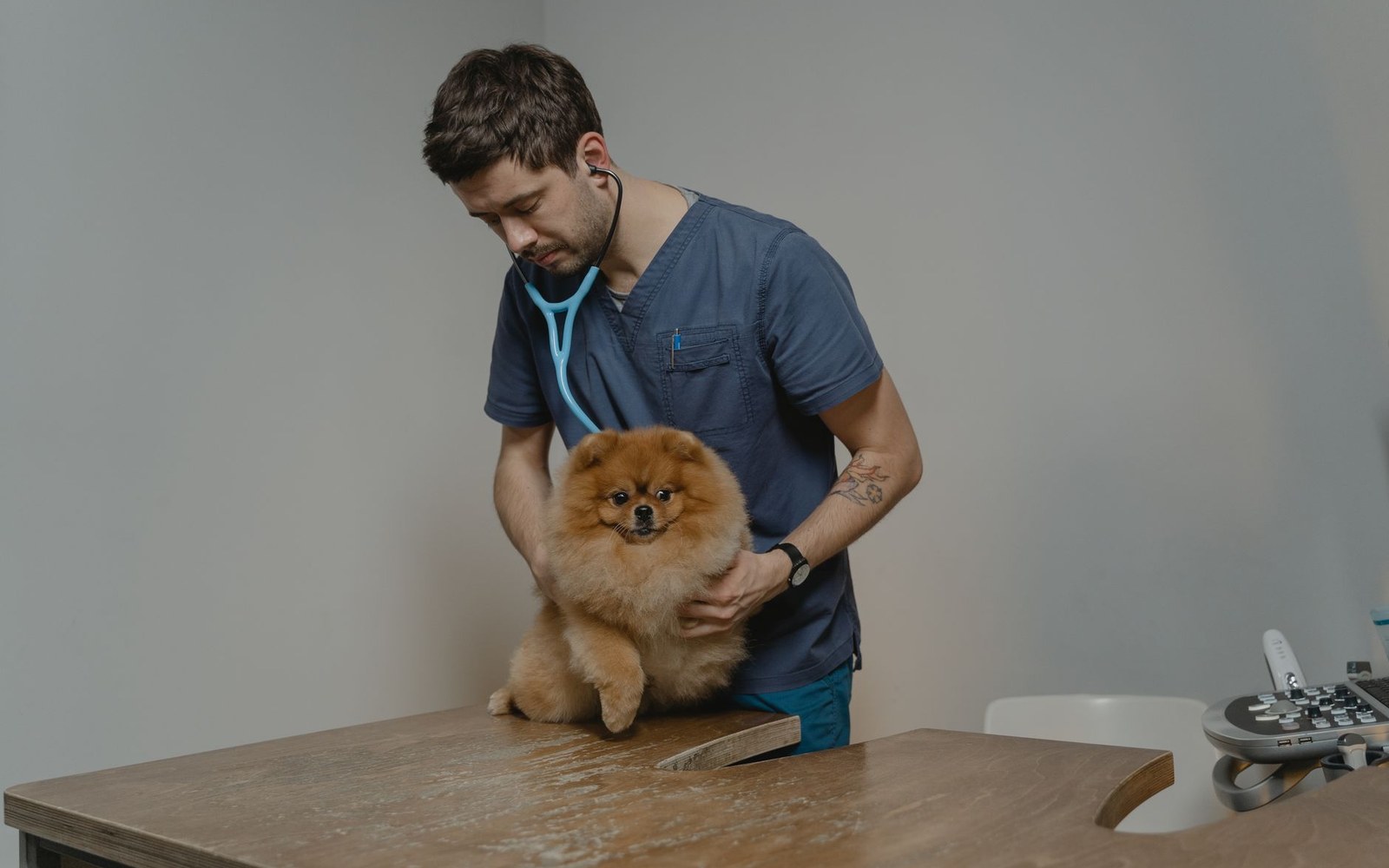
A grade is recorded against the individual dog, never against the breed.
Photo: Tima Miroshnichenko / PexelsWhen Two Copies Are Needed — and When One Is Enough
Degenerative myelopathy (DM) sits in the same recessive category as most PRA variants: two copies of the SOD1 gene variant are required before a dog is considered at risk of developing the progressive spinal-cord disease. But the picture is complicated by penetrance. Not every homozygous dog will develop clinical signs within its lifetime, a fact the Orthopedic Foundation for Animals notes when publishing its DM statistics for breeds including the German shepherd, Pembroke Welsh corgi and Siberian husky. The OFA's open health database records test results by breed across all three genotype categories — clear (N/N), carrier (N/DM) and at-risk (DM/DM) — and the proportions differ substantially between breeds. In some corgi populations, the at-risk homozygous frequency runs high enough that eliminating all affected animals from breeding would remove a significant fraction of the gene pool, a genetic management tension familiar from any recessive disorder with high carrier frequency.
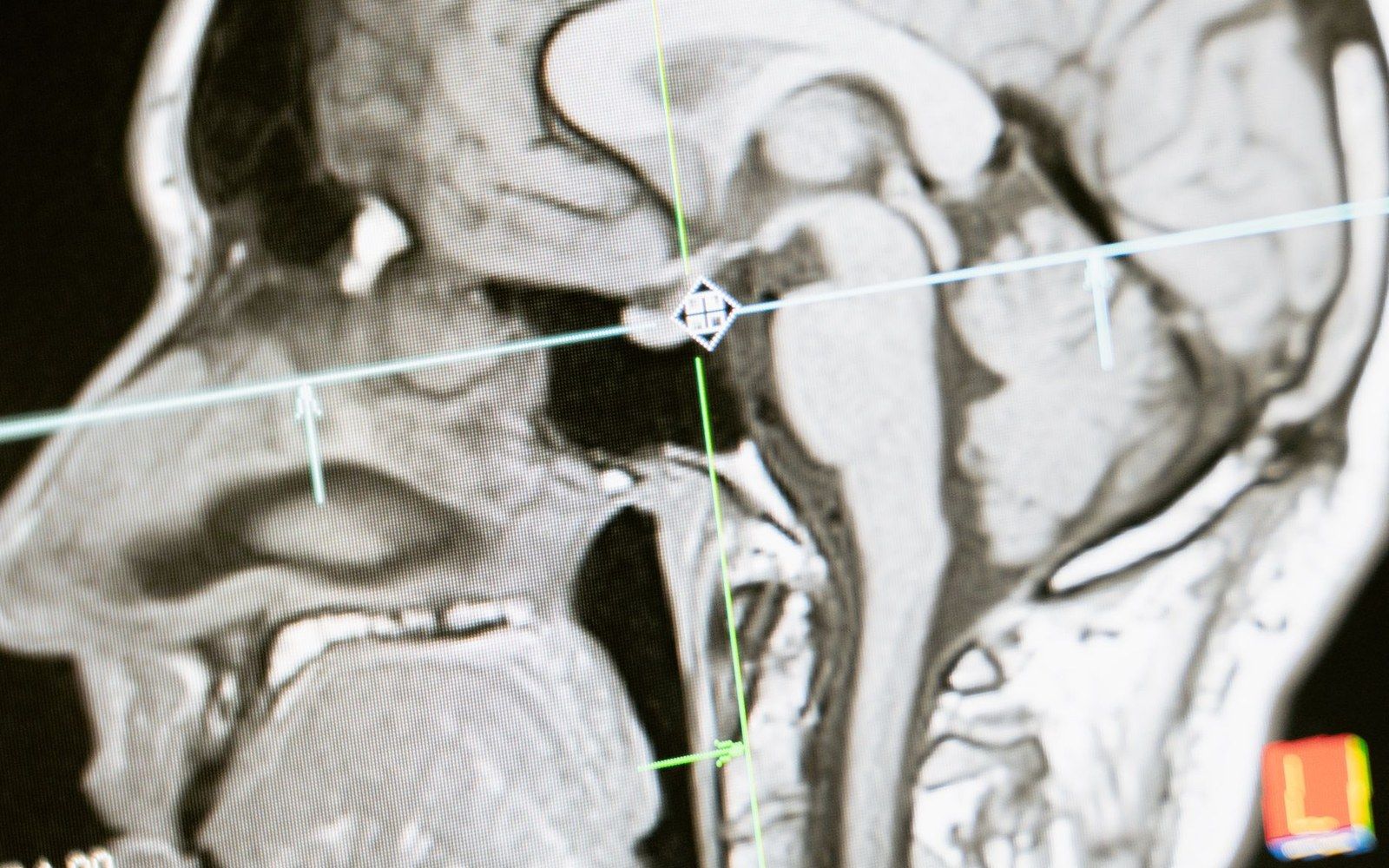
Screening images are read against a defined grade scale, and the grade travels with that dog’s own record rather than with its breed.
Photo: MART PRODUCTION / PexelsMDR1 drug sensitivity works differently. The ABCB1 mutation that impairs the blood-brain barrier's drug-transport function is co-dominant in its effect: a dog with one copy of the variant (heterozygous) is more sensitive to implicated drugs than a clear dog, and a dog with two copies is more sensitive still. This means a carrier is not simply a neutral conduit for the allele; it is itself at clinical risk if given ivermectin, loperamide or certain chemotherapy agents at standard doses. The variant is heavily concentrated in herding breeds — the rough collie, smooth collie, Shetland sheepdog, Australian shepherd and their relatives — reflecting a founder effect traced to a single ancestral mutation. Washington State University's Veterinary Clinical Pharmacology Laboratory, which developed the original MDR1 assay, maintains a current list of implicated drugs and breeds.
What the Health Test Results Finder Actually Shows
The Kennel Club's Health Test Results Finder publishes genotype results — clear, carrier or affected — submitted by accredited laboratories, linked to registered dogs and therefore searchable by breed and individual registration number. It does not publish the raw laboratory data or the population frequencies; it records what has been submitted for Kennel Club-registered dogs, which is a self-selected testing population rather than a random sample of each breed. Frequencies derived from this source therefore reflect which breeders choose to test and submit results, not the true prevalence across all animals. That limitation is well understood in the veterinary genetics literature but is not prominently flagged within the Finder itself. Reading a breed's result distribution as epidemiological truth requires exactly the caution that researchers including Tom Lewis and Rowena Packer have applied when working with registry and insurance datasets — always accounting for the structured non-randomness of the sample.
How the three variants compare
| How the three variants compare | What the record states |
|---|---|
| PRA (prcd-PRA) | autosomal recessive; two copies needed to be affected; carrier dogs visually unaffected; multiple breed-specific variants exist under the PRA umbrella |
| Degenerative myelopathy (DM / SOD1) | autosomal recessive; two copies needed for at-risk status; incomplete penetrance means not all homozygous dogs develop clinical signs |
| MDR1 drug sensitivity (ABCB1) | co-dominant; one copy raises drug sensitivity; two copies raise it further; carriers are clinically relevant, not neutral |