What the Data Shows
Chiari Malformation, Syringomyelia and the MRI Grading Protocol for Cavaliers
The breed most studied for skull-brain mismatch has a formal MRI grading scheme — but published prevalence figures suggest the condition is far more widespread than screening alone can address.
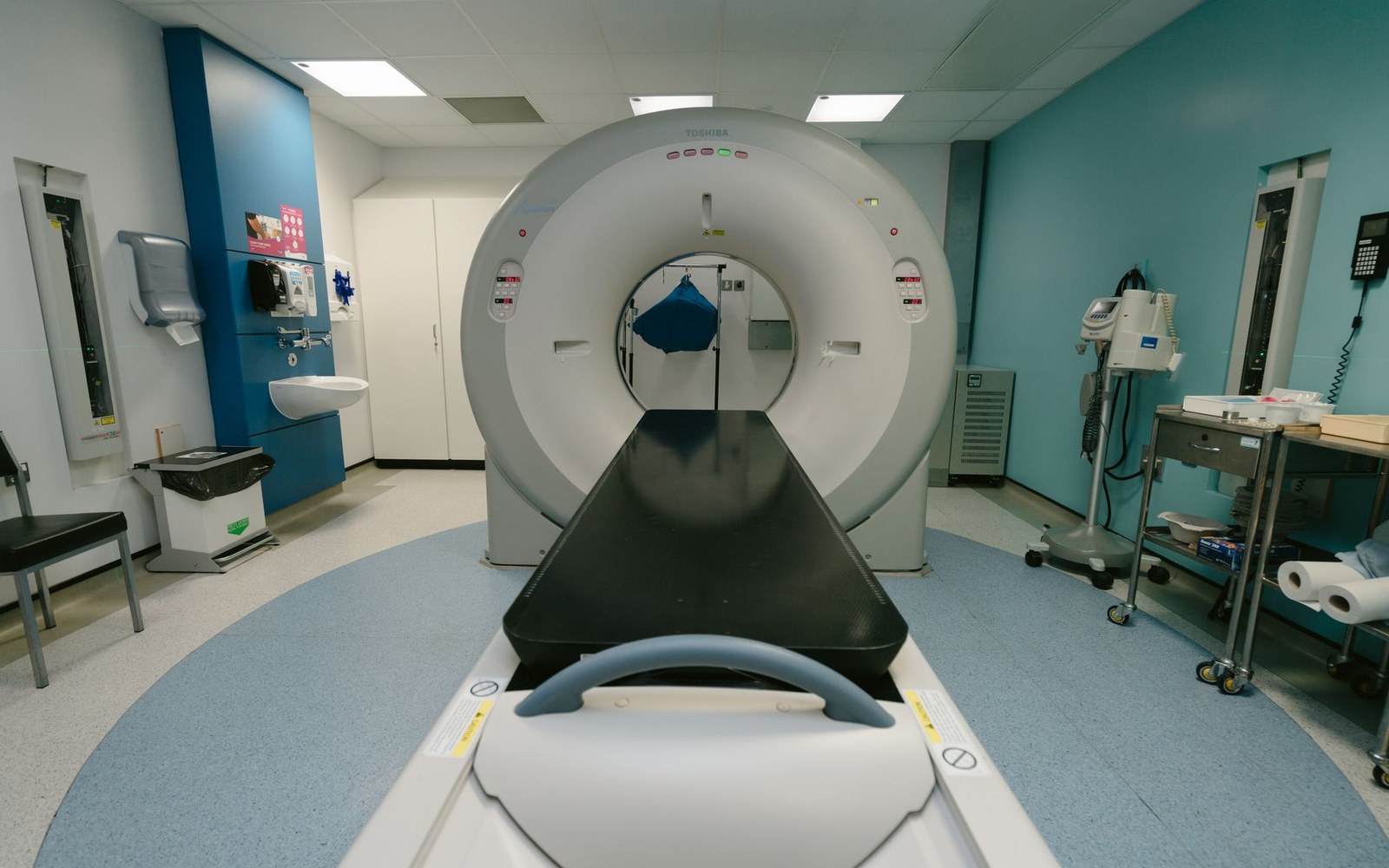
The screening protocol for Chiari-like malformation and syringomyelia in cavalier King Charles spaniels — the MRI grades defined by the scheme, published prevalence figures from named studies, and the Kennel Club's position on the scheme within its health-testing requirements.
Photo: Jo McNamara / PexelsWhat the Grading Scheme Measures
Chiari-like malformation (CM) is a structural condition in which the caudal part of the cerebellum herniates into or through the foramen magnum — the opening at the base of the skull — because the skull is too small to contain the brain volume behind it. In cavalier King Charles spaniels the condition is strongly associated with syringomyelia (SM), the formation of fluid-filled cavities within the spinal cord itself, which produces pain, sensory disturbance and, in severe cases, progressive neurological deficit. The two conditions are clinically and genetically linked in the breed, though CM can occur without SM.
The grading protocol used in the United Kingdom was developed through research centred on Clare Rusbridge and colleagues and formalised into a scheme supported by the Kennel Club and the British Veterinary Association. Dogs are assessed by MRI, with each scan reviewed by a specialist. The scheme assigns a CM grade (0, 1 or 2, reflecting the degree of cerebellar indentation or herniation at the foramen magnum) and a separate SM grade (0, 1 or 2), where grade 0 is clear, grade 1 denotes a syrinx of less than 2 mm in width, and grade 2 denotes a syrinx of 2 mm or greater. A dog is considered clear only if graded CM0 and SM0 on a scan performed at or after 2.5 years of age, the threshold below which some lesions may not yet be detectable.
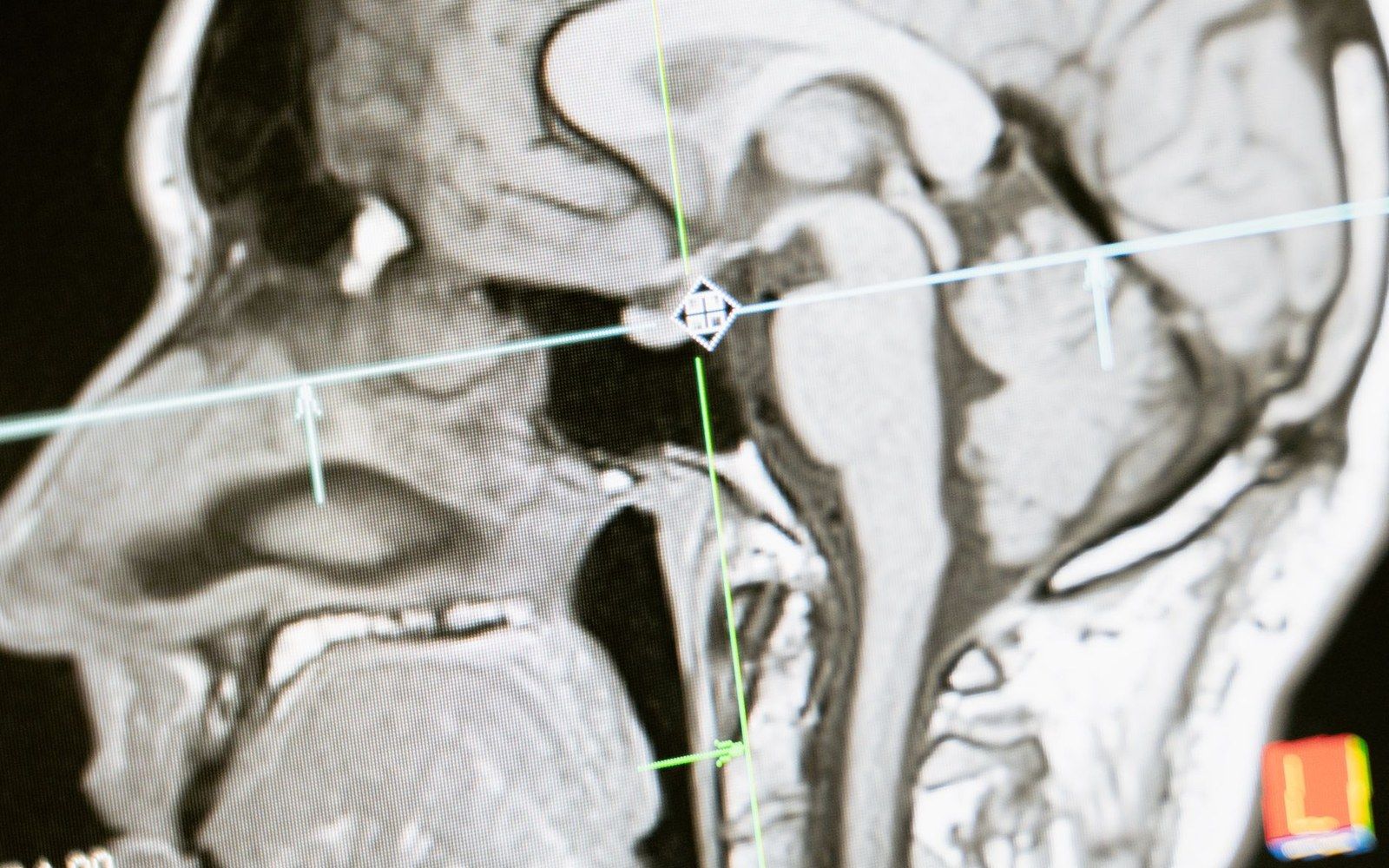
Screening images are read against a defined grade scale, and the grade travels with that dog’s own record rather than with its breed.
Photo: MART PRODUCTION / Pexels
A grade is recorded against the individual dog, never against the breed.
Photo: Tima Miroshnichenko / PexelsKey grades in the protocol
What Prevalence Studies Have Found
The published prevalence data make uncomfortable reading for the breed. A study by Rusbridge and colleagues published in Veterinary Record in 2015 reported that CM was present in the overwhelming majority of cavaliers examined by MRI, with estimates across multiple cohorts suggesting CM prevalence approaching or exceeding 95 percent in adult dogs. SM prevalence figures are lower but still substantial: a frequently cited analysis of MRI data from Rusbridge and Jeffery, published in the Journal of Veterinary Internal Medicine in 2008, found syringomyelia in approximately half of cavaliers screened by early adulthood, with prevalence increasing with age.
Rowena Packer at the Royal Veterinary College has contributed to broader work on brachycephalic and conformationally compromised breeds, situating cavalier CM/SM within the wider evidence base for skull-morphology-driven disease. Work by Mark Lowrie and others has further characterised clinical presentation and the relationship between syrinx dimensions and pain scoring, informing how grade 2 findings are interpreted clinically.
The Finnish and Swedish pet insurance datasets — particularly data held by the Swedish insurance company Agria — have been used in comparative breed health research, and cavalier spinal and neurological claims are visible within those records, though condition-specific prevalence from insurance data is less precise than MRI-cohort studies.

The standard runs to a few hundred words, and every clause in it is amendable by committee.
Photo: RDNE Stock project / PexelsPrevalence in context
| Prevalence in context |
|---|
| multiple MRI cohort studies report figures approaching or exceeding 95% |
| approximately 50% by early adulthood in screened cohorts, rising with age (Rusbridge & Jeffery, 2008) |
| Both figures sourced from peer-reviewed MRI studies, not insurance or survey data |
The Kennel Club's Position and the Scheme's Limits
The Kennel Club lists CM/SM MRI screening within its health-testing recommendations for the cavalier, and the scheme appears within the breed's health-testing requirements under the Assured Breeder Scheme. However, it is not a mandatory pre-registration requirement: breeders are encouraged but not compelled to screen parents before mating.
The scheme's fundamental tension is statistical. When CM prevalence in the breed approaches near-universality, a grading protocol designed to identify clear dogs operates in a population where clear animals are rare. The Kennel Club's published breed health data and the work of Jane Ladlow and collaborators at the University of Cambridge have examined whether MRI-based selection, applied consistently over generations, can shift population-level prevalence — but the time horizon for such change is measured in decades, not years. The condition remains, in the published literature, among the most pressing welfare concerns documented in any single pedigree breed.
The breed most studied for skull-brain mismatch has a formal MRI grading scheme — but published prevalence figures suggest the condition is far more widespread than screening alone can address