What the Data Shows
Scoring at the Joint: How Hip and Elbow Assessment Works
Two radiographic schemes sit at the centre of the UK's inherited orthopaedic health record — and what they measure differs more than the paperwork suggests.
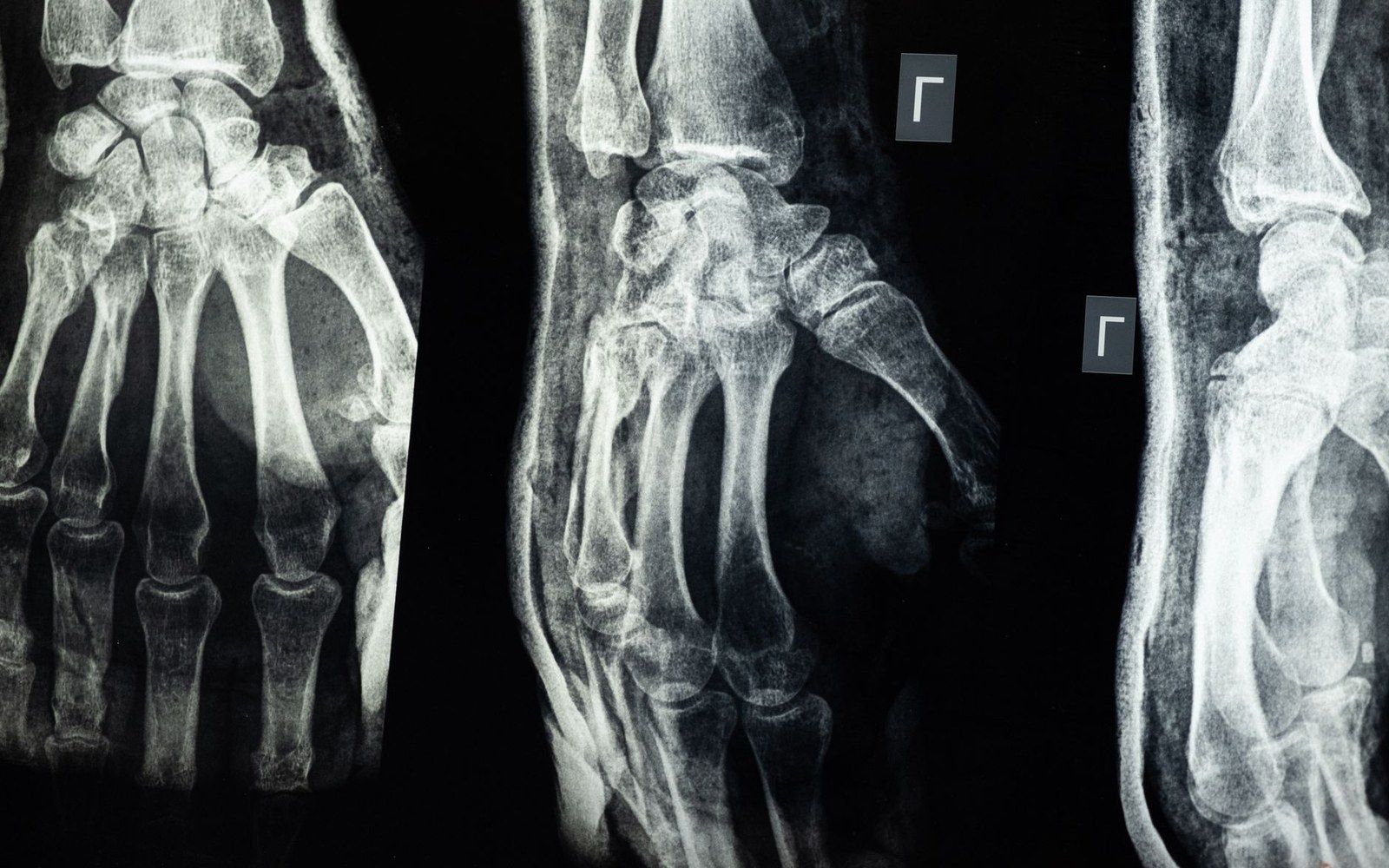
The BVA/Kennel Club hip-scoring scheme and the BVA/KC/ISDS elbow scheme — the radiographic criteria, the score ranges, breed mean scores as published, and how the schemes compare with the OFA system used by the AKC.
Photo: cottonbro studio / PexelsAnatomy of a Number
The BVA/Kennel Club hip-scoring scheme, run jointly since 1965 and administered through the British Veterinary Association, produces a score from zero to 106. Nine anatomical features are assessed on each hip from a single ventrodorsal radiograph, each graded on its own scale of up to six, with both hips scored separately and summed. A score of zero-zero represents no detectable change; the higher the number, the greater the dysplastic change. The BVA publishes a breed mean score — the rolling average across all tested animals of that breed — which functions as the benchmark against which individual results are compared. Kennel Club breeding recommendations typically advise selecting animals scoring below the breed mean.
The elbow scheme, administered by the BVA in partnership with the Kennel Club and the International Sheepdog Society, uses a simpler scale: grades zero, one, two and three, where zero indicates an unaffected joint and three indicates severe osteochondrosis or fragmented medial coronoid process. Unlike the hip scheme, elbow grade is reported per joint rather than as a combined total, and both elbows must be submitted simultaneously. The worst elbow determines the animal's recorded grade.
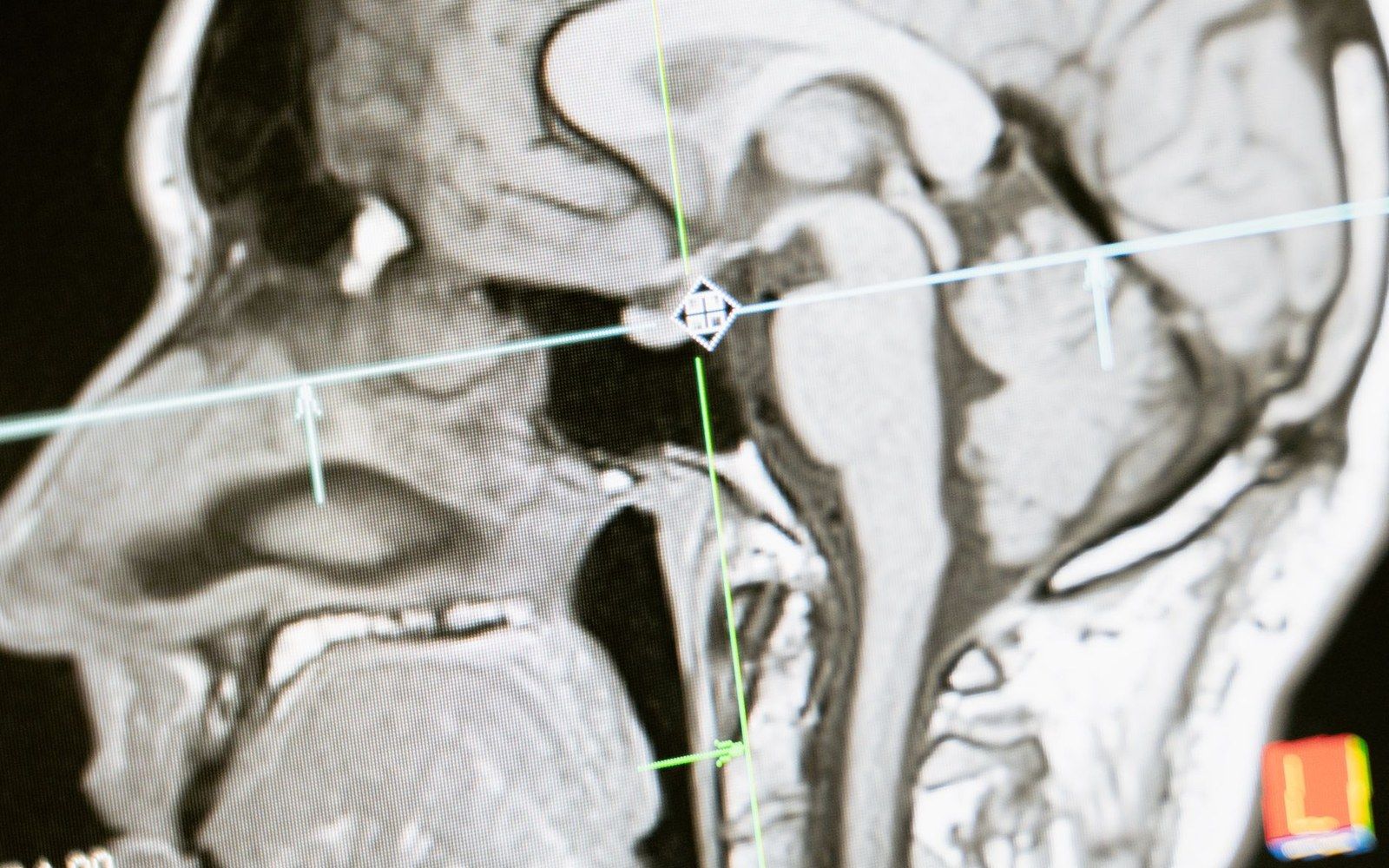
Screening images are read against a defined grade scale, and the grade travels with that dog’s own record rather than with its breed.
Photo: MART PRODUCTION / Pexels
A grade is recorded against the individual dog, never against the breed.
Photo: Tima Miroshnichenko / PexelsThe two schemes share the same submission process — radiographs assessed by a panel of scrutineers appointed by the BVA — but they differ fundamentally in what they measure. Hip scoring is a continuous numerical scale that allows fine stratification within a breed population; elbow grading is ordinal and coarser, designed to identify affected animals rather than to rank them along a spectrum.
Key numbers
| Key numbers |
|---|
| BVA hip score range: 0–106 (combined both hips) |
| BVA elbow grades: 0, 1, 2, 3 (worst joint determines recorded grade) |
| OFA hip categories: 7 (Excellent through Severe) |
| OFA elbow grades: Normal, I, II, III |
| BVA scheme minimum age: 12 months (most breeds) |
| OFA permanent certification minimum age: 24 months |
The OFA Comparison
The Orthopedic Foundation for Animals, which administers the equivalent scheme in the United States in parallel with the American Kennel Club registry, uses a seven-category system for hips — Excellent, Good, Fair, Borderline, Mild, Moderate and Severe — based on a consensus reading by three board-certified radiologists. The OFA's published breed statistics record pass rates by breed rather than a continuous mean score. That categorical approach simplifies interpretation for breeders but reduces the statistical granularity available to researchers tracking population-level change over time. For elbows, the OFA uses a four-grade scale (Normal, Grade I, II, III) structurally similar to the BVA scheme, though minimum submission age and procedural requirements differ between the two bodies.
Both systems require a minimum age at radiograph — 12 months under the BVA scheme for most breeds, 24 months for the OFA's permanent hip certification — reflecting the point at which skeletal maturity is considered sufficient for valid assessment.
Two radiographic schemes sit at the centre of the UK's inherited orthopaedic health record — and what they measure differs more than the paperwork suggests
Chronology
- 1965BVA/KC hip-scoring scheme established
- OFA founded 1966, United States
- BVA/KC/ISDS elbow scheme introduced later as a separate instrument