What the Data Shows
Effective Population Size and Why the Coefficient of Inbreeding Has a Threshold
Two numbers dominate the conservation-genetics debate in pedigree dogs — and both come with documented danger zones.

The metrics used to measure genetic diversity in pedigree populations — COI, effective population size — and the published thresholds below which conservation geneticists flag population viability risk, illustrated with figures from named breed studies.
Photo: RDNE Stock project / PexelsWhen a Population Stops Being Viable
The coefficient of inbreeding (COI) expresses the probability that an individual has inherited identical alleles from a common ancestor. In isolation it is a snapshot; in sequence across generations, it becomes a trajectory. Conservation geneticists have long applied a rule of thumb — drawn from livestock and wildlife management — that a population sustaining a COI increase of more than one percent per generation is losing genetic diversity faster than natural selection can offset the harm. The Kennel Club adopted this one-percent-per-generation benchmark as an explicit reference point in its breed health discussions, placing it alongside mean COI figures it began publishing breed by breed from registration data.
Effective population size (Ne) is the complementary metric. Rather than measuring an individual's inbreeding, Ne estimates how many individuals are actually contributing genetically to the next generation — not the census count of dogs registered, but the genetically active fraction. A population with thousands of registered animals can still have a dangerously low Ne if a small number of popular sires dominate reproduction. The threshold with the widest scientific acceptance, drawn from conservation biology, is Ne = 50 as the floor below which inbreeding depression becomes acute in the short term, and Ne = 100–150 as the minimum for retaining adaptive potential over time.

A grade is recorded against the individual dog, never against the breed.
Photo: Tima Miroshnichenko / Pexels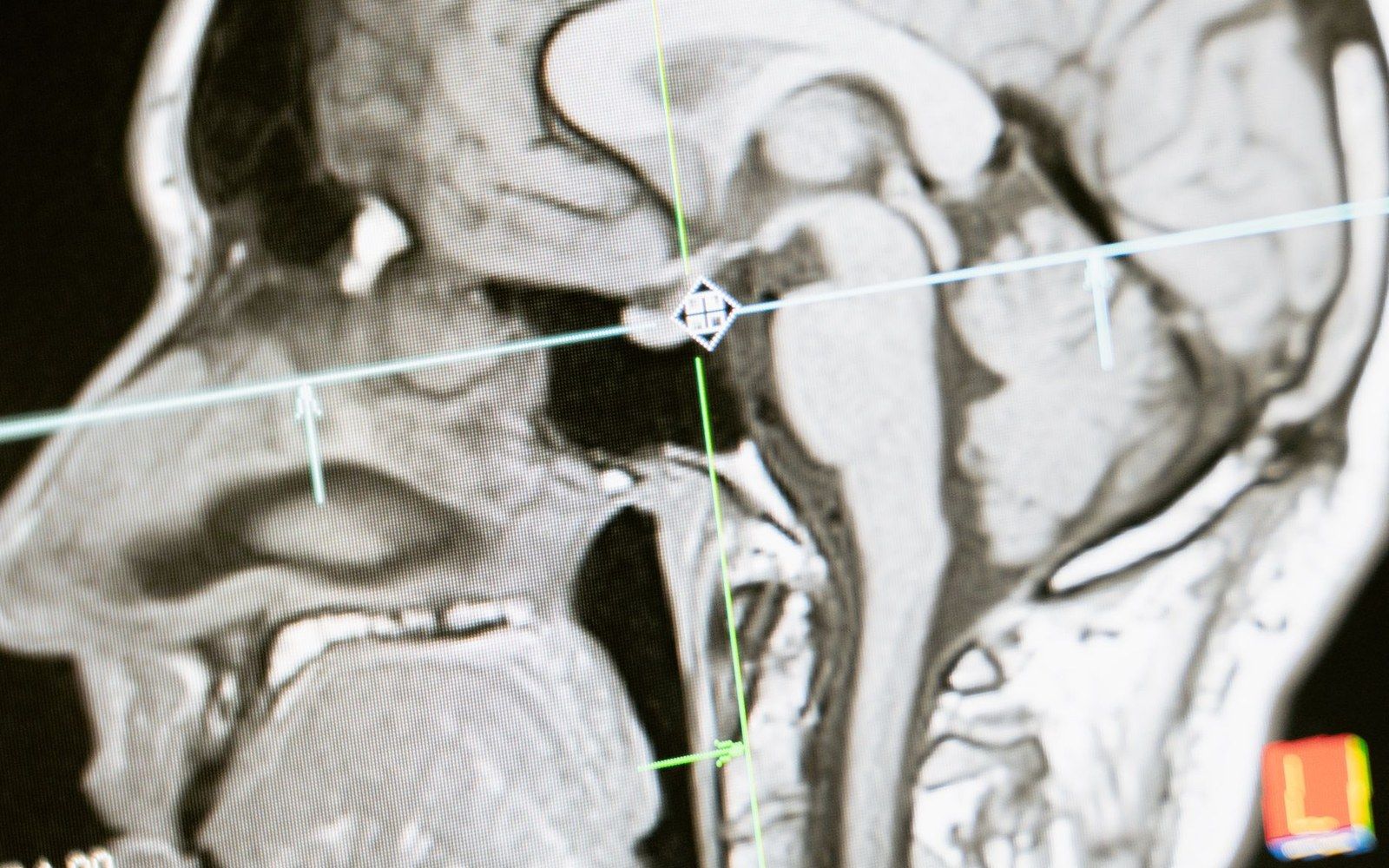
Screening images are read against a defined grade scale, and the grade travels with that dog’s own record rather than with its breed.
Photo: MART PRODUCTION / PexelsNamed breed studies illustrate how far below those floors some pedigree populations sit. Research by Tom Lewis and colleagues, published in the journal Canine Genetics and Epidemiology, found effective population sizes in several UK breeds well under 100, with some falling beneath 50. The Norwegian Lundehund and the Otterhound — the latter a Kennel Club Vulnerable Native Breed — have received particular attention for critically compressed Ne values. A 2016 paper examining genetic diversity across dog breeds using pedigree records confirmed that popular-sire effects, common in conformation-selected populations, are a primary driver of Ne depression independent of total registration numbers.
The two metrics interact: a low Ne accelerates the per-generation COI increase, compounding loss. Cathryn Mellersh's work at the Animal Health Trust, and the subsequent genomic analyses conducted at the University of Cambridge, have both demonstrated that pedigree-based COI calculations tend to underestimate true genomic inbreeding — meaning the figures published as breed benchmarks are likely conservative relative to what SNP-array data reveals. The threshold problem, in other words, may be more urgent than the headline numbers suggest.
Two numbers dominate the conservation-genetics debate in pedigree dogs — and both come with documented danger zones
Key thresholds
| Key thresholds | What the record states |
|---|---|
| COI increase per generation | 1% is the commonly cited upper limit before diversity loss is considered unsustainable |
| Ne < 50 | conservation-biology floor; acute inbreeding depression risk in the short term |
| Ne 100–150 | minimum effective population size for retaining long-term adaptive potential |
| Popular-sire effect | a small number of heavily used stud dogs can depress Ne even in numerically large registered populations |