What the Data Shows
What Finnish and Swedish Pet Insurance Records Have Added to the Picture
Insurance databases from Scandinavia have given breed-health researchers a longitudinal view unavailable from clinical records alone.

The Finnish and Swedish insurance datasets used in breed health research — the insurers involved, the scale of the databases and how their morbidity and mortality figures have been cited in peer-reviewed papers alongside VetCompass data.
Photo: Mikhail Nilov / PexelsA parallel ledger of morbidity and mortality
The Swedish insurance company Agria has, over several decades, accumulated one of the largest longitudinal animal health datasets in the world. Because Swedish pet insurance penetration is unusually high — covering a substantial proportion of the national dog population — Agria's records capture mortality and morbidity events across breeds with a statistical depth that clinical or kennel-club datasets rarely match. Researchers working with Agria data, including epidemiologist Brenda Bonnett and collaborators at the Swedish University of Agricultural Sciences and the Swedish Kennel Club, published breed-specific mortality analyses that identified cause-of-death patterns and breed-level life-expectancy estimates using insurance claim records running into the hundreds of thousands of dog-years of observation.
Finland's equivalent resource is held principally by the insurer Fennia and has been drawn upon by Finnish Kennel Club-affiliated researchers examining breed-specific morbidity. The Finnish Kennel Club has also published its own health-survey data independently, creating a paired national picture: insurance claims for what clinically happened, and owner-reported surveys for prevalence and symptom patterns.
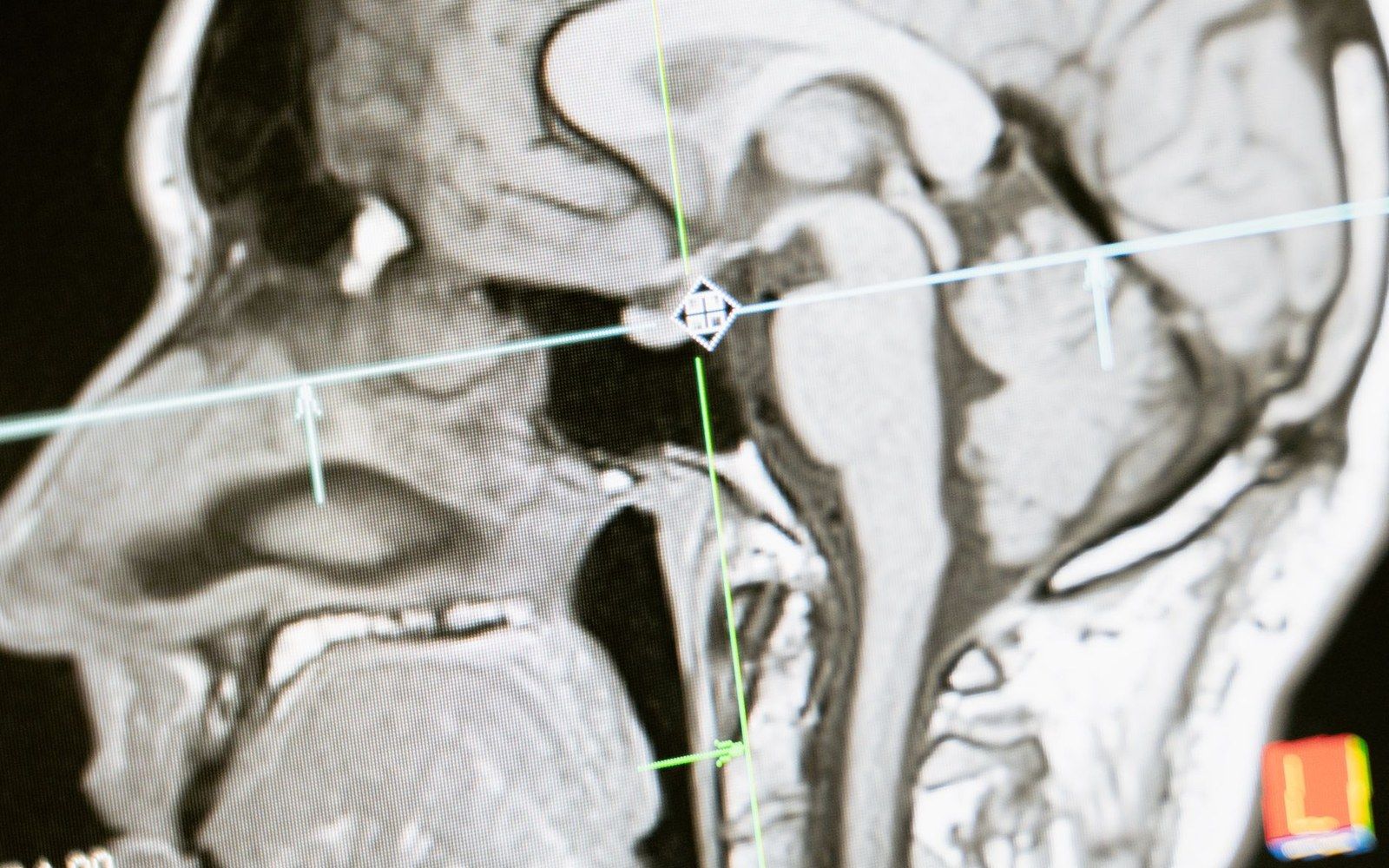
Screening images are read against a defined grade scale, and the grade travels with that dog’s own record rather than with its breed.
Photo: MART PRODUCTION / PexelsInstitutional data sources
| Institutional data sources | What the record states |
|---|---|
| Agria (Swedish insurer) | primary source of Swedish longitudinal mortality and morbidity claims data; coverage spans multiple decades |
| If P&C / Fennia (Finnish insurer) | Finnish equivalent; Finnish Kennel Club health surveys provide a paired owner-reported dataset |
| VetCompass (Royal Veterinary College, UK) | UK primary-care clinical-records programme; frequently cited alongside Agria data for cross-validation |
| Swedish Kennel Club | collaborating institution in several Agria-based breed-health studies |
| Finnish Kennel Club | publishes independent breed health surveys alongside insurance-derived data |

A grade is recorded against the individual dog, never against the breed.
Photo: Tima Miroshnichenko / PexelsThe Agria dataset's particular strength is mortality: because life insurance policies pay out on death, the cause and age-at-death are recorded for a large, breed-identified cohort. Bonnett and colleagues used this structure to produce breed mean survival figures that predated and later complemented the Royal Veterinary College's VetCompass programme, which draws on UK primary-care clinical records. Where VetCompass captures what veterinarians recorded in consultation notes, Agria captures what owners claimed for — a different but overlapping signal. Studies combining or comparing both sources have strengthened confidence in breed-level findings precisely because two methodologically distinct systems converge on similar estimates.
The Scandinavian insurance records have been cited in the scientific literature on brachycephalic health, inherited neurological disease, and the comparative longevity of crossbreds versus purebreds. Åke Hedhammar, a long-standing figure in Swedish breed-health research, has been associated with studies drawing on this infrastructure. The data have additionally informed meta-analyses at institutions beyond Scandinavia, extending their influence into European policy discussions on breeding reform — including regulatory debates of the kind that have shaped legislation in Norway and the Netherlands.
Insurance databases from Scandinavia have given breed-health researchers a longitudinal view unavailable from clinical records alone
Why insurance records differ from clinical records
| Why insurance records differ from clinical records |
|---|
| a distinct signal from veterinary consultation notes |
| High pet-insurance penetration in Sweden and Finland makes the samples unusually representative of the national dog population |
| Two methodologically separate systems converging on similar breed estimates strengthens confidence in the findings |