The Court Has Ruled
The Paperwork and the Routes Around It
Rasowy covers the pedigree dog breeds as they are registered, regulated and measured.

What a Dog Crossing the Border Legally Requires
Since the end of the Brexit transition period on 1 January 2021, a dog entering Great Britain from the European Union no longer travels on an EU pet passport. The document that replaced it — for animals entering from most listed countries — is the Animal Health Certificate, a time-limited declaration issued by an official veterinarian in the country of dispatch, valid for ten days from the date of the health examination to the point of entry. The dog must have been microchipped before vaccination, must have received a rabies vaccination at least twenty-one days before travel, and must have been treated for tapeworm — specifically Echinococcus multilocularis — between one and five days before arrival. Dogs that entered Great Britain before 1 January 2021 holding a valid EU pet passport may continue to use that document for re-entry, but the issuing of new EU pet passports to UK-resident animals ended at that date.
Entry is channelled through approved ports and routes, designated under the Balai Directive framework and now governed by the retained version of domestic biosecurity law. For commercial consignments — broadly, any movement of more than five animals — the rules are stricter still, requiring a pre-notification through the Import of Products, Animals, Food and Feed System and physical checks at a Border Control Post.
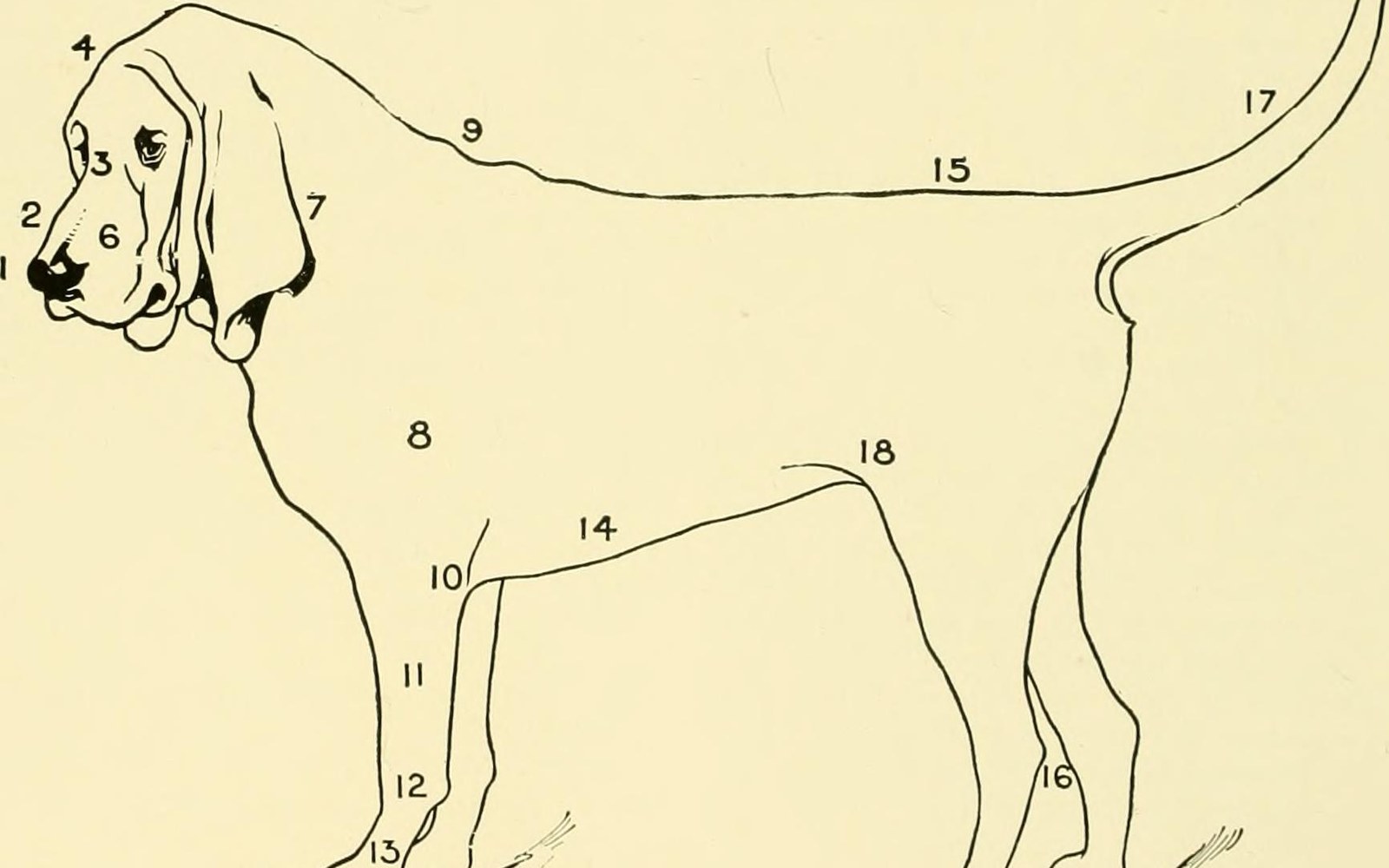
Ancestor columns, four generations deep.
Photo: The New Book of the Dog (1911) · Wikimedia Commons
The standard runs to a few hundred words, and every clause in it is amendable by committee.
Photo: RDNE Stock project / PexelsChronology
- 1 January 2021EU pet passport no longer valid for new entries into Great Britain; Animal Health Certificate requirement enters force
- 2021APPG for Animal Welfare report documents irregular import routes through short-sea crossings
- 2024DEFRA guidance on pet travel and imports revised
What the Documentation Does Not Prevent
The legal framework creates a paper trail precisely because the risk it addresses is real. Dogs entering without the required documentation — or on fraudulent documentation — do so in volume that multiple welfare organisations have recorded and reported. The RSPCA and Dogs Trust have both documented cases in which animals were moved on falsified Animal Health Certificates or on documents showing vaccination dates that precede microchip implantation, a chronological impossibility that should trigger rejection at the border.
The routes most consistently associated with non-compliant imports in UK Border Force and charity-reported data are the short-sea crossings: Calais–Dover, Hook of Holland–Harwich, and the Channel Tunnel rail freight terminal. A 2021 report by the All-Party Parliamentary Group for Animal Welfare noted the concentration of irregular movements through these points, citing caseload data from rescue organisations rather than Border Force seizure numbers, which are not published in breed-specific or species-specific form by the Home Office.
The welfare consequence is particular. Puppies under the fifteen-week effective minimum — the age at which a dog microchipped, vaccinated and treated for tapeworm can complete the full documentation cycle — cannot be moved legally. The incentive to move them younger is commercial: younger puppies command higher prices and present as more appealing. Documented puppy price movements during 2020–21 show that the pandemic spike substantially widened the margin available to importers willing to falsify records, and charity intake data has linked a proportion of respiratory and parvoviral presentations in rescue animals to under-age import.
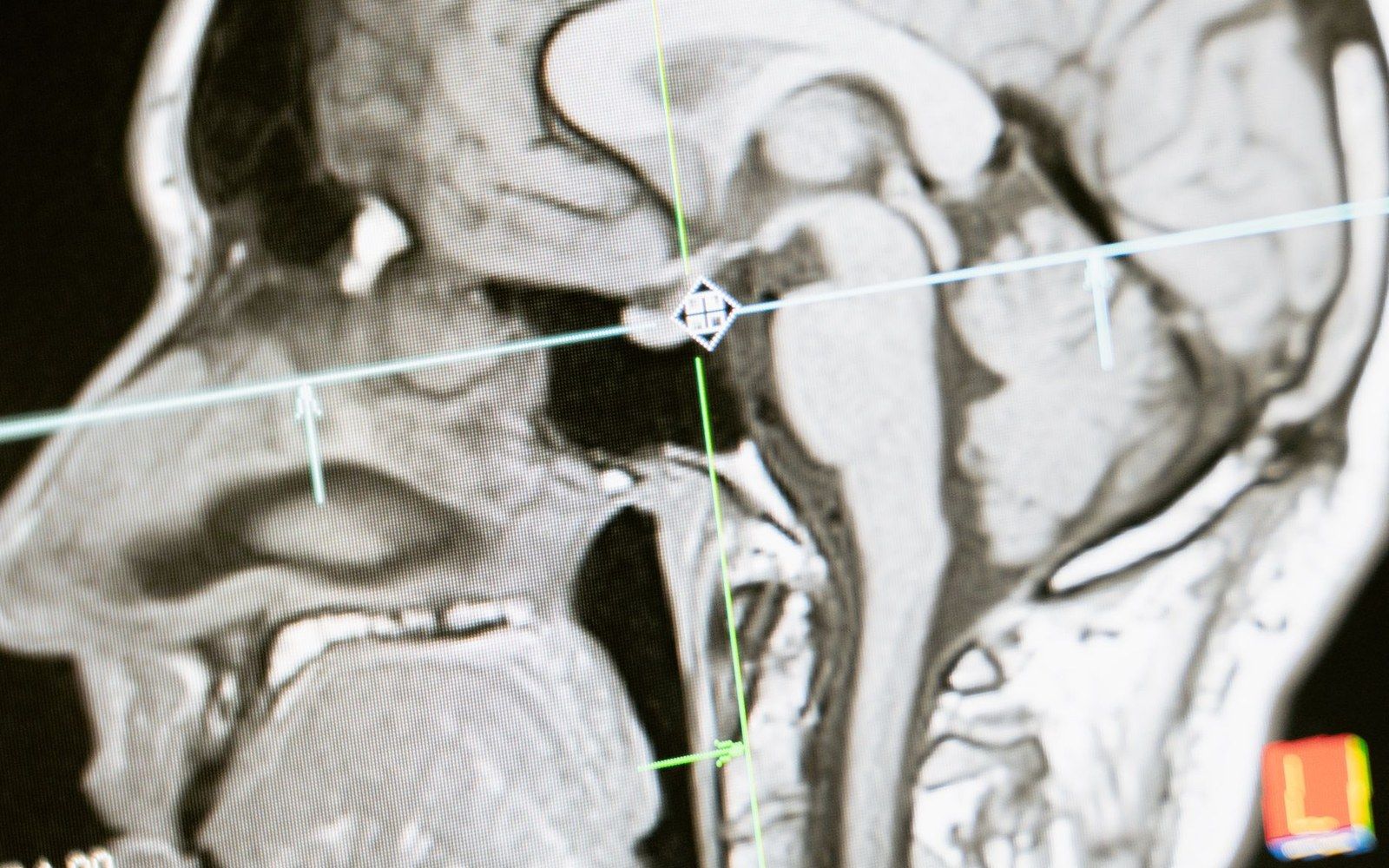
Screening images are read against a defined grade scale, and the grade travels with that dog’s own record rather than with its breed.
Photo: MART PRODUCTION / PexelsNorthern Ireland occupies a distinct position. Under the Windsor Framework, dogs moving between Great Britain and Northern Ireland, or between Northern Ireland and the Republic of Ireland, continue to be governed by different arrangements that have not followed exactly the same trajectory as the Great Britain framework. The practical consequence is that the land border between Northern Ireland and the Republic represents a documented pressure point in both directions: animals can enter the island of Ireland from EU member states under EU rules and then move overland to Northern Ireland without crossing a formal Border Control Post.
DEFRA's official guidance on bringing a pet to Great Britain remains the current regulatory reference. What it cannot do is account for documentation that has been falsified before the animal arrives — a limit acknowledged by the British Veterinary Association in its evidence to parliamentary inquiries, which has consistently called for greater official veterinarian capacity at listed ports of entry.
Rasowy covers the pedigree dog breeds as they are registered, regulated and measured
The documentation chain
| The documentation chain |
|---|
| Microchip implanted first |
| Rabies vaccination at least 21 days before arrival |
| Tapeworm treatment 1–5 days before arrival |
| Animal Health Certificate issued by official vet, valid 10 days to point of entry |
| Commercial consignments (>5 animals): pre-notification and Border Control Post physical check also required |